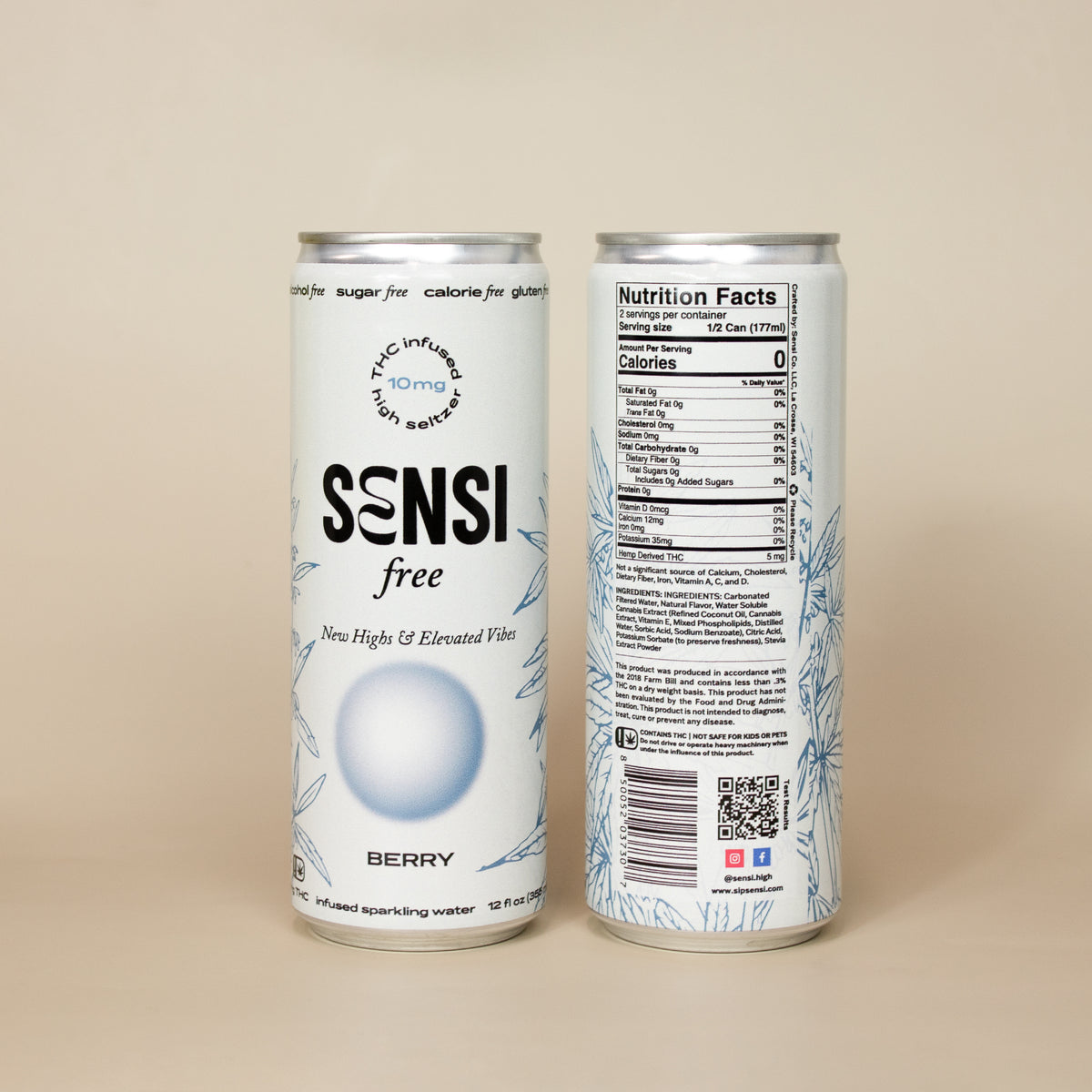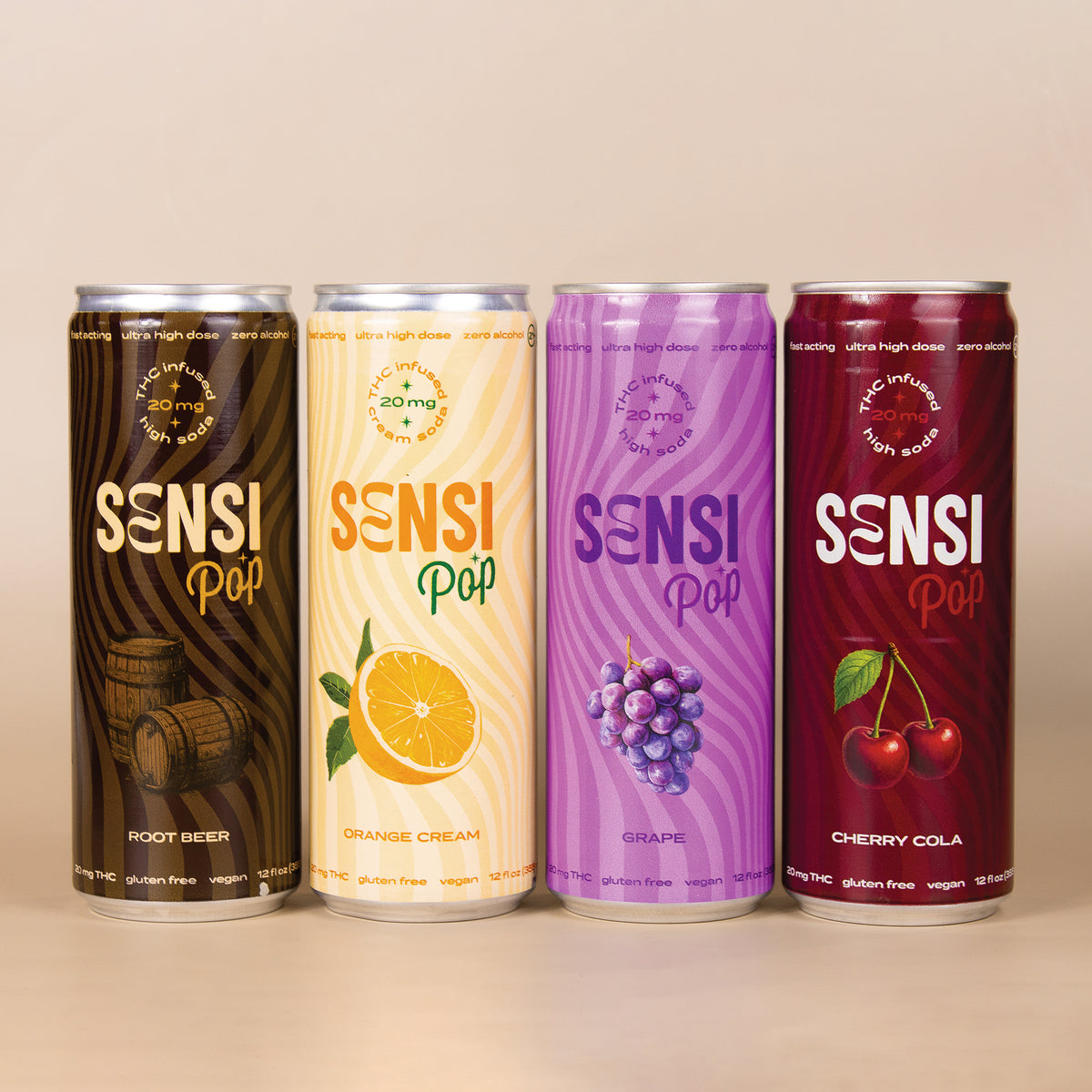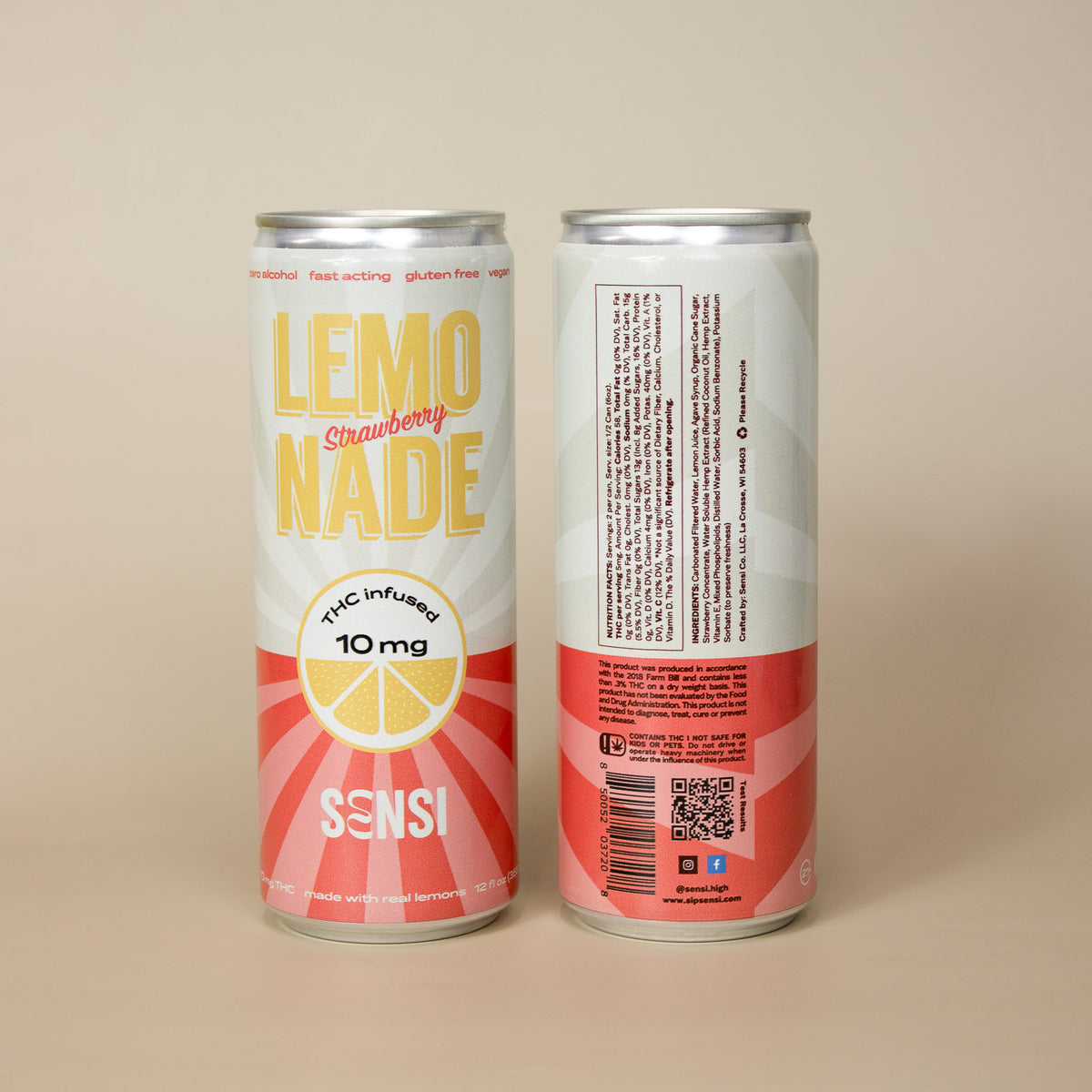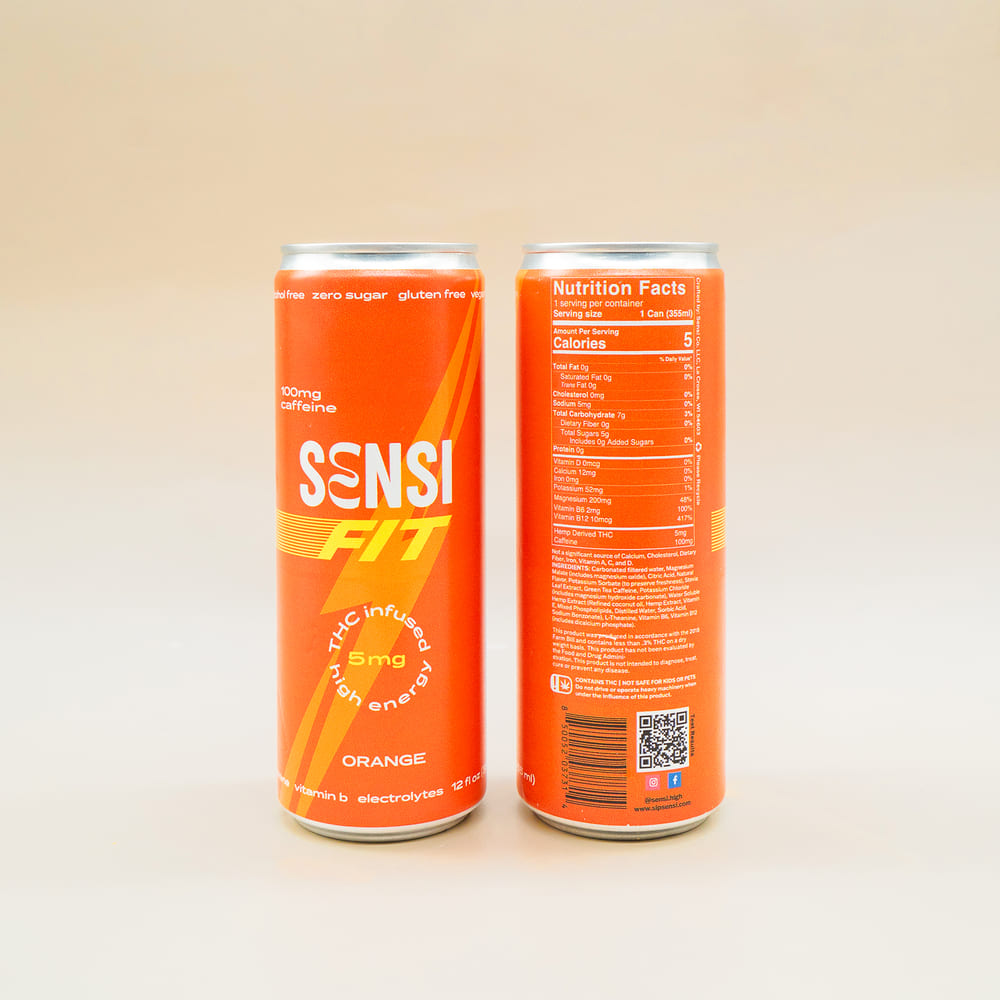
Why Batch Numbers Matter on THC Drinks & Edibles
Why batch numbers matter on THC drinks and edibles is pretty simple: that little code on the package is the one detail that lets you double-check what you’re actually about to drink or eat. Milligrams matter, sure, but a batch number is what turns a label into something you can verify, not just trust on vibes.
At Sensi, we’re big on transparency because it makes shopping easier and dosing less guessy. We make hemp-derived Delta-9 THC beverages and edibles for adults 21+, and we want you to feel confident about what’s in your cart before you crack a can or tear open a bag.
Why batch numbers matter on THC drinks when you care about consistency
Think of a batch number like the print on the back of a concert ticket. It is not the headline, but it’s the part that proves you’ve got the real entry for that specific show.
A batch is a defined production run that’s made and packaged under the same conditions in a set window of time. That’s why a single product flavor can have multiple batch numbers across the year. The New York State Office of Cannabis Management explains the basics of batch sampling and testing in its cannabis product sampling and laboratory testing FAQs.
Here’s the key: lab results are batch-specific. So even if you reorder the same Sensi flavor later, the lab report you looked at last time might not apply to the new package in your hand. And with THC drinks and edibles, you are not adjusting puff-by-puff. You take a measured serving, then you wait for it to land.
Why batch numbers matter on THC drinks because the COA only counts if it matches
When you scan a QR code and pull up lab results, you’re usually looking at a Certificate of Analysis (COA). That COA is a third-party lab report tied to a specific batch. It typically shows potency for cannabinoids like Delta-9 THC and CBD, plus other panels that may include things like heavy metals, pesticides, or residual solvents depending on requirements and the product type.
That “tied to a specific batch” part is the whole game. A COA can look perfect, but if it’s for a different run, it is not proof for your exact can or gummy pack. If you want a quick explanation of the match-up, this guide on matching a cannabis COA to a package batch or lot number breaks down what to look for.
If you’re shopping Sensi, you can pull the reports any time on our Sensi Test Results page with Certificates of Analysis (COAs). Grab the batch or lot code off your product, then find the report with the same ID.
Why the THC number on the front label is not the whole story
The big THC number on the front is helpful, but it’s still the summary. Real life production has normal variation across harvests, extraction runs, and manufacturing days, even when the product name stays the same. If you’ve ever wondered what all the little numbers on a package are doing there, WoodHaven Cannabis Co. has a clear explainer on how to read a cannabis label and what the numbers mean.
For drinks and edibles, accurate potency is especially important because timing and intensity are harder to adjust on the fly. That’s why we keep repeating the same advice, even if you’ve heard it before: Start Low and Go Slow. Your batch-matched COA helps you confirm the serving size you planned is in the ballpark of what was tested for that run.
Cannabis product lot code: the quiet safety feature you want in your corner
Batch and lot codes are not just “extra label clutter.” They are the backbone of traceability. If there’s ever an issue that requires a targeted pull or follow-up testing, the code is what lets a brand identify which units are affected without lumping every product together.
In other words, it’s a shopper protection thing, not just a paperwork thing. This overview on batch numbers, expiration dates, and lot tracking requirements explains why tracking matters for accountability and recalls.
Shopper quality check THC: how you use a batch number in under a minute
You do not need to be a label detective. Once you’ve done it a couple times, it’s a quick little routine, like checking a nutrition label for sugar.
- Find the batch or lot code on the package. On THC drinks, it’s often on the bottom of the can, on the carton, or close to the seam. On edibles, look on the back label, a sealed edge, or near the barcode.
- Pull up the COA and match the code. The batch or lot number on the COA should match your package exactly, including letters and numbers.
- Skim the parts that actually help you shop. Check potency per serving, the test date, the lab name, and that the results show a clear pass status for the panels included.
Quick table: what you should match on your package vs the COA
If you’re new to COAs, matching can feel weirdly formal. It’s really just making sure the report describes your run of the product, not a random cousin from last month.
| Item | Where you’ll see it | What you’re checking |
|---|---|---|
| Batch or lot number | Printed on the product and listed on the COA | Exact match, same letters and numbers |
| Product name and format | Front label and COA header | Same product, same type, drink vs edible |
| Test date | COA | Relevant to that batch, not an old report |
| Potency per serving | Label and COA potency panel | Aligned with the dose you intended to buy |
| Pass status for included panels | COA | Clear pass results shown on the report |
How batch numbers fit into Build Your Own Buzz (BYOB) shopping
If you’re using THC drinks as an alcohol alternative, consistency is the whole vibe. You want to know that a 5 mg plan feels like a 5 mg plan, whether you’re pacing at a tailgate, hosting friends, or doing a low-key movie night.
That’s basically what Build Your Own Buzz (BYOB) means at Sensi. You pick your format, pick your dose, and give yourself room to ease in. Batch numbers help because they let you confirm the lab report for the exact run you’re holding, not a generic “trust us” PDF.
If you’re deciding what to bring home next, start with our Shop All THC drinks and edibles collection. Then, if you want help thinking in milligrams instead of mystery, our guide on starting dose for THC Spirit pours walks you through measuring a low starting serving and waiting before you go for round two.
FAQ: batch numbers, lot codes, and COAs
What’s the difference between a batch number and a cannabis product lot code?
In everyday shopping, people use them interchangeably. Both are IDs tied to a specific production run, and both should connect your product to its batch-specific COA.
Where do you find batch numbers on THC drinks and edibles?
On drinks, check the bottom of the can, the case carton, or near the label edge. On edibles, look on the back label, sealed edges, or near the barcode area.
If you scan a QR code and it shows a COA, are you good?
Only if the COA includes a batch or lot number that matches what’s printed on your package. If it doesn’t match, it’s not the right report for what you bought.
Does a COA mean every single gummy or can was tested?
No. A COA reflects results from samples taken from that batch. It’s still meaningful for quality control, but small variation between individual units can happen.
What should you do if your batch number doesn’t match a COA?
Treat it like a pause button. Do not assume the potency or the safety results apply to your product. Use the batch code and reach out to the brand so they can point you to the correct report.
Conclusion: treat the batch number like your receipt
Why batch numbers matter on THC drinks and edibles comes down to proof. That code is the link between your exact product and the lab results that back it up, and it’s one of the simplest ways to shop smarter and dose with more confidence.
Next time you pick up Sensi, take ten seconds to find the batch number, then match it on our Test Results page. Sip. Savor. Socialize. Must be 21+ to purchase.