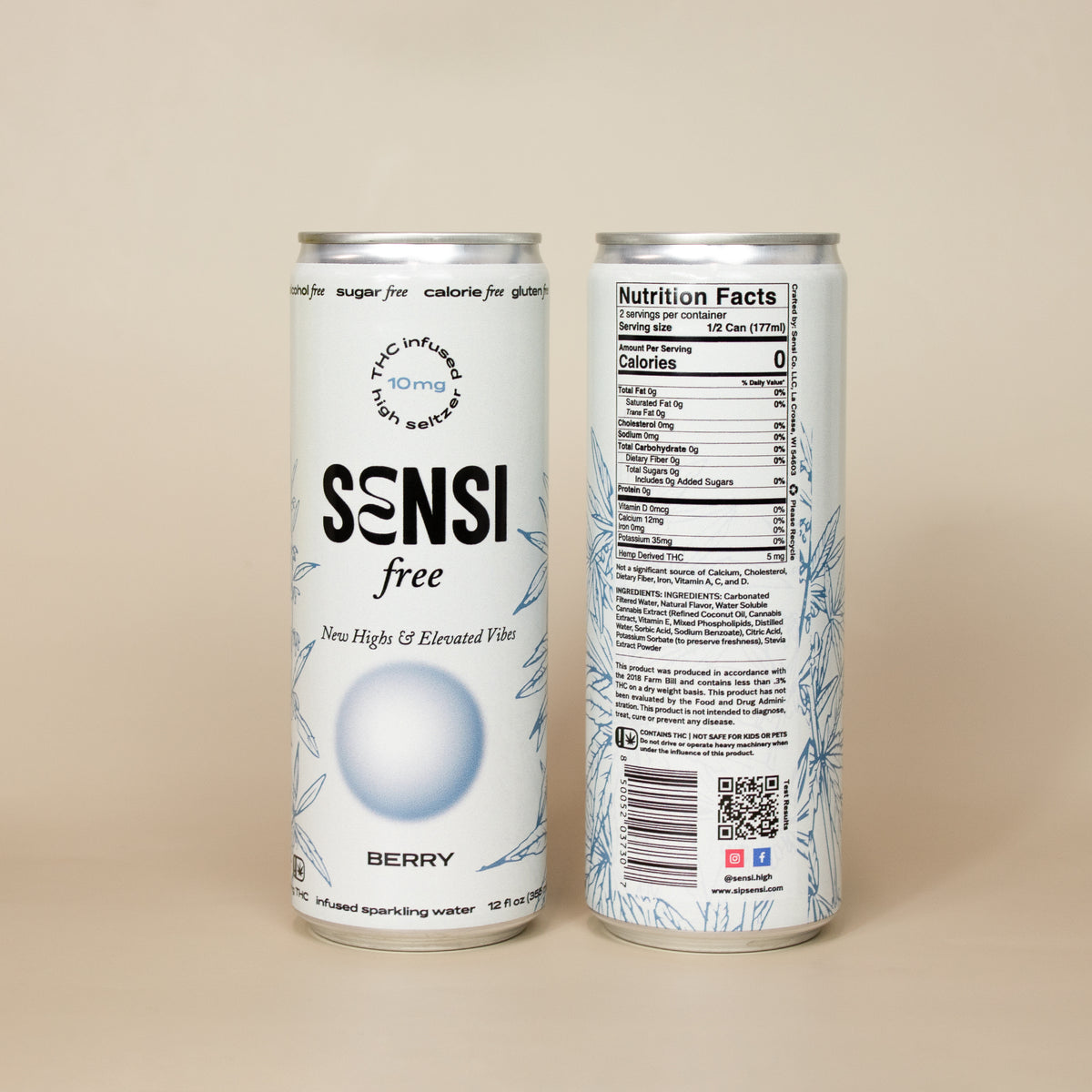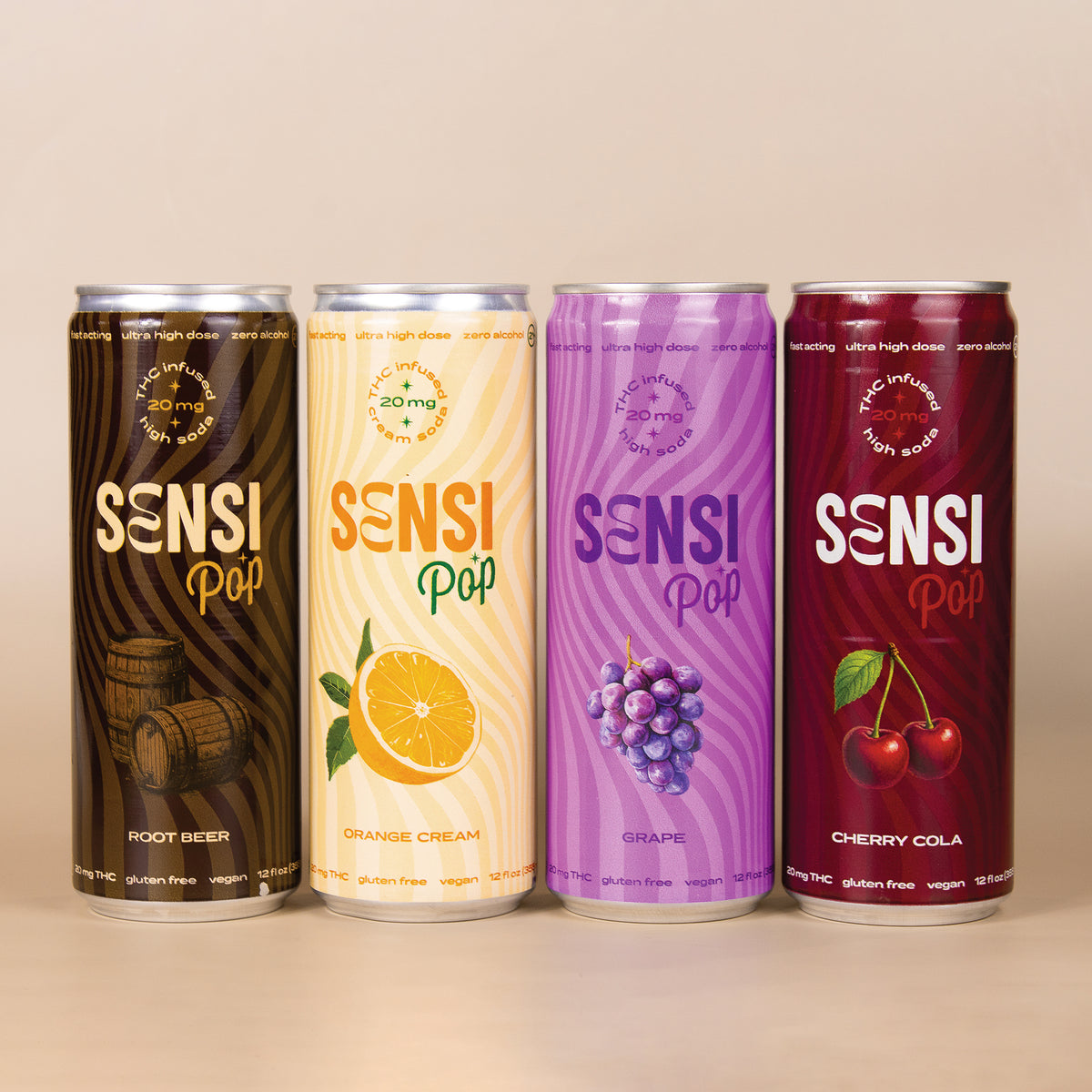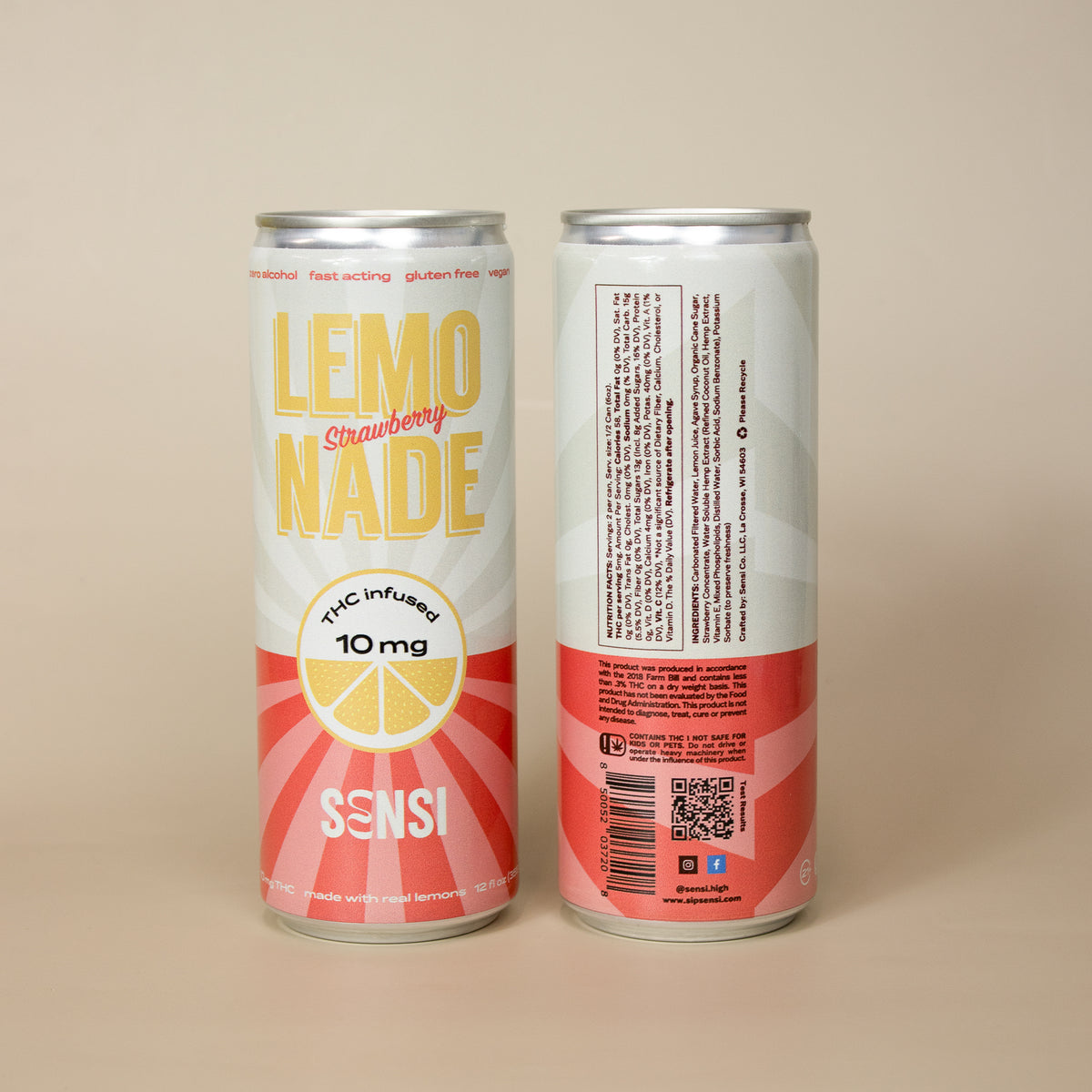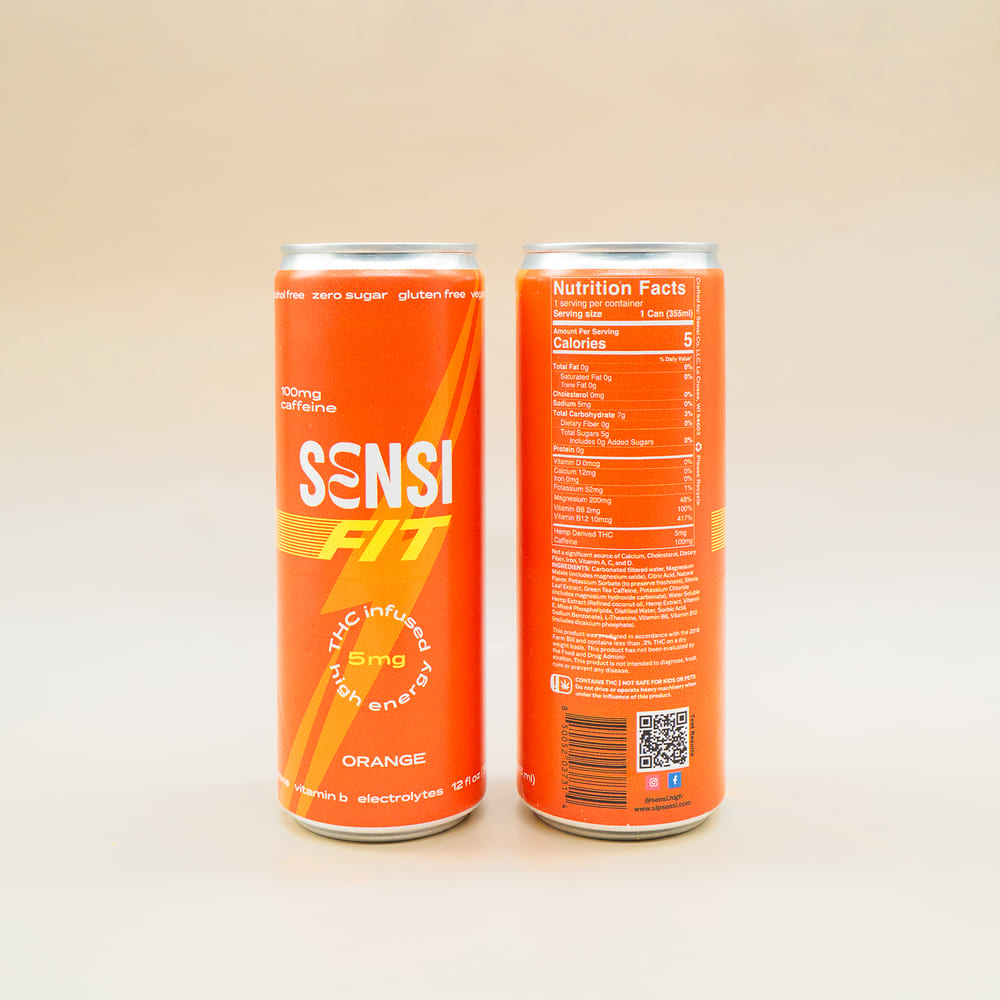
0.3% THC by Dry Weight in Beverages, Explained
0.3% THC by dry weight beverage is one of those tiny-looking label lines that can still describe a drink with a real, noticeable dose. The key is what comes after the number: by dry weight. Once you know what that actually means, you stop guessing and start shopping smarter, because you’ll know where the real “strength” info lives.
We’ll walk you through it the same way we explain it to friends: what the rule is, why it exists, how it applies to liquids (yes, it’s a little weird), and what you should look at first when you’re choosing your next can. You’ll also see why milligrams per can matters way more than that percentage for your actual experience.
Why a 0.3% THC by dry weight beverage label exists in the first place
Most of today’s hemp marketplace traces back to the 2018 Farm Bill, which drew a legal line: hemp is cannabis with no more than 0.3% Delta-9 THC on a dry weight basis. That one phrase is why you’ll see “hemp-derived Delta-9 THC” on beverages that still contain measurable THC.
If you want to see a clear legal breakdown of how that threshold is discussed and applied, check the 0.3% THC threshold in hemp law. We’re not here to play lawyer, but it helps to know the label language didn’t come from beverage brands. It came from how hemp was defined.
One more thing we’ll always say out loud: federal definitions matter, but state rules can be stricter and they change. Always check what’s current where you live and where you’re traveling before you order or pack a product.
Dry weight for liquids: what “0.3% THC by dry weight beverage” really means
When you hear “dry weight,” your brain probably goes to flower or biomass. That’s fair, because with plant material it’s pretty intuitive: dry it down, then test what’s left.
In a drink, dry weight is basically the weight of everything that isn’t water in the can. Think:
- sweeteners or sugars
- acids and flavor compounds
- fruit solids and minerals
- cannabinoids and other dissolved ingredients
So the 0.3% number is not saying “this drink is weak.” It’s saying the product is formulated to fit a legal category based on a ratio: Delta-9 THC compared to the dry solids.
That’s why a drink can be both Farm Bill compliant and still feel like THC, because Delta-9 THC is Delta-9 THC. The percentage is a compliance yardstick, not a promise about how you’ll feel.
0.3% THC by dry weight beverage math (real-world numbers you can picture)
Let’s make the math feel less like homework. Say you’ve got a 12 oz flavored sparkling drink. Even a “light” drink can easily have 30 to 50 grams of dry solids once you add up what’s dissolved in it.
At a max of 0.3% Delta-9 THC by dry weight, the theoretical ceiling looks like this:
- 30g dry solids × 0.3% = 0.09g THC = 90mg Delta-9 THC
- 50g dry solids × 0.3% = 0.15g THC = 150mg Delta-9 THC
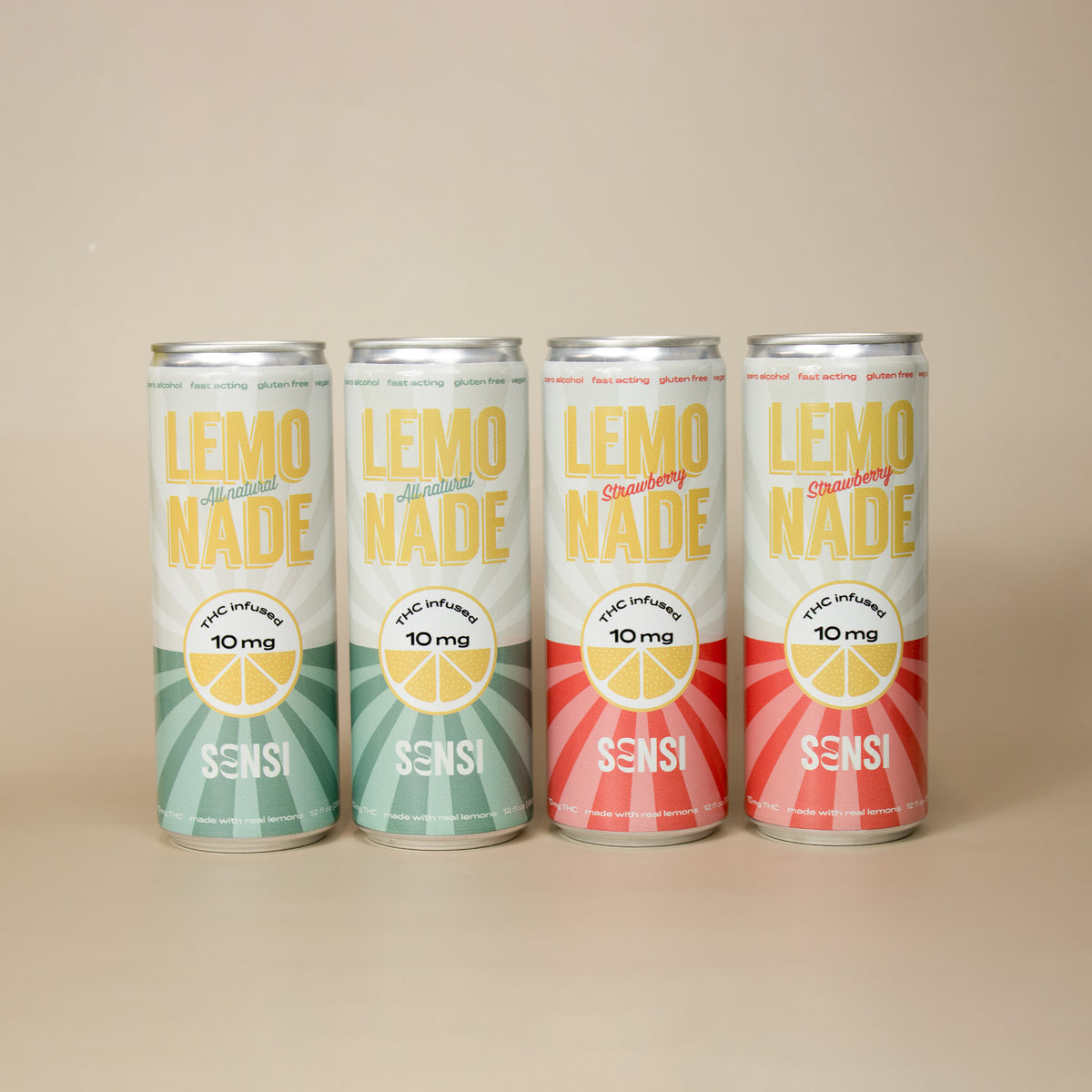
Now, you and we both know most reputable hemp beverage brands are not shipping 90mg cans. In everyday life, you’re much more likely to see something like 2mg to 10mg Delta-9 THC per can. That “social sip” zone is popular for a reason: it’s easier to pace.
| What you see on the label | What it tells you | How you should use it |
|---|---|---|
| <0.3% Delta-9 THC by dry weight | It’s designed to fit the federal hemp definition | Think compliance category, not your personal dose |
| “X mg Delta-9 THC per can” | Your approximate total THC for the container | This is the number that maps closest to “how strong is it?” |
| Certificate of Analysis (COA) | Third-party lab results tied to that product | Your best proof the label matches testing |
Here’s a quick shortcut that surprises people: to put 5mg of Delta-9 THC in a container and still stay under 0.3% by dry weight, the drink only needs around 1.67g of dry solids total. Most flavored beverages easily have more dry matter than that, which is why the math works out.
Percent vs mg: what to focus on when you want a predictable vibe
When you’re trying to Build Your Own Buzz (BYOB), the percent number is the last thing you should obsess over. It’s tiny, it’s abstract, and it doesn’t tell you the part you actually care about.
Instead, use this simple order of operations:
- Find the mg per serving and mg per can. That’s your dose.
- Think about format. Many people find beverages come on faster than gummies, but everyone’s body is different.
- Look for third-party testing. A real COA should be easy to access and match the label.
If you want a solid explainer on how federal and state rules can differ in practice, federal and state THC drink laws is a helpful overview. The takeaway is simple: labels might be standardized, but availability and limits can vary a lot by location.
How we handle it at Sensi: clear dosing, real testing, no guesswork
At Sensi, we’re big on All Buzz, No Booze, but we’re even bigger on clarity. If you’re choosing a drink for a bonfire, a dinner party, a concert, or just a weeknight wind-down, you deserve to know what you’re getting into.
Here’s what we recommend you do every time:
- Shop by dose first. If you’re newer or you just want it light, starting low makes the whole experience easier to steer.
- Start Low and Go Slow. Give it time before you stack servings.
- Check lab results when you can. Transparency is the vibe.
You can always verify our finished-product lab testing on Sensi Test Results and Certificates of Analysis.
If you want the easiest on-ramp, browse our Low Dose THC products (up to 5mg) collection and keep it in that “easy-to-pace” lane.
What’s changing in 2026: why people are talking about mg caps
Regulations in hemp move fast, and the conversation is shifting from percentages to straight milligram limits for finished products. Legislation signed in late 2025 is set to take effect on November 12, 2026, replacing the dry-weight percentage approach for finished products with a cap of 0.4mg total THC per container.
That would be a huge change for today’s hemp-derived Delta-9 THC beverages, since many are labeled at 5mg or 10mg per can. If you want context on why the industry is watching this date, see the 0.4mg THC cap and what it could mean for hemp beverages.
No matter what happens next, your best move stays the same: read mg per container, look for testing, and keep an eye on your state’s latest rules.
FAQ: 0.3% THC by dry weight in beverages
Is a 0.3% THC by dry weight beverage THC-free?
No. It can still contain multiple milligrams of Delta-9 THC per can. The 0.3% line is about a legal definition and testing framework, not a promise of zero THC.
What should you pay attention to: percent or milligrams?
Milligrams. If you’re trying to predict how a drink might feel, focus on mg of Delta-9 THC per serving and mg per container. The percent is mainly a compliance marker.
How can 5mg Delta-9 THC be legal if the limit is 0.3%?
Because 0.3% is a ratio based on dry solids, not a flat mg cap. In drinks, water is excluded from the dry weight, so the dry matter usually gives enough “room” for a 5mg dose while still staying under 0.3%.
Do hemp-derived Delta-9 THC drinks feel different from gummies?
For a lot of people, yes. Beverages can feel faster and easier to pace than traditional edibles, but your dose, your metabolism, and whether you’ve eaten all matter. Stick to Start Low and Go Slow.
How do you verify a drink is actually compliant?
Ask for a third-party Certificate of Analysis (COA) for the finished product. It should list cannabinoids clearly and align with what the can says. For Sensi products, you can check our COA test results any time.
Conclusion
“0.3% Delta-9 THC by dry weight” is the legal math behind today’s hemp drinks, but it’s not the number that helps you choose your night. Your experience is driven by milligrams per can, your tolerance, and how you pace it.
If you want a simple next step, keep it low, keep it clear, and Build Your Own Buzz from there. When you’re ready to browse, head to Shop all Sensi THC drinks and edibles. Must be 21+ to purchase, and never drive or operate machinery after consuming THC.