What Is Full Spectrum Hemp Extract in an Edible?
What is full spectrum hemp extract in an edible? It’s the question you ask when a gummy label is throwing around “full-spectrum” like it’s a vibe, not a real ingredient. At Sensi, we’re into fun, but we’re even more into receipts. If the jar says full-spectrum, the label and the lab report should back it up.
So let’s make it simple and useful. You’ll learn what full-spectrum hemp extract actually is, what’s usually inside a full-spectrum edible, why people talk about the “entourage effect,” and how to spot the difference between a full-spectrum hemp gummy and a THC-forward gummy. You’ll also get a quick checklist for reading a full spectrum edible label like you’ve done this before.
What is full spectrum hemp extract in an edible (in plain English)?
Full-spectrum hemp extract is hemp extract that keeps a wider range of the plant’s natural compounds instead of narrowing everything down to one purified cannabinoid. Think of it as “whole-plant leaning,” not “single-ingredient minimalist.”
In a true full-spectrum edible, CBD is usually the main cannabinoid, but you’ll also see smaller amounts of other cannabinoids and aromatic compounds. And yes, full-spectrum typically includes trace Delta-9 THC that stays within the federal hemp definition.
Here’s the key legal-ish line you’ve probably heard: hemp is federally defined as cannabis with no more than 0.3% Delta-9 THC by dry weight under the 2018 Farm Bill framework. That’s why full-spectrum hemp products can contain some THC and still be hemp. A practical shopper takeaway is that “trace” still counts, so if you’re sensitive to THC, you want to verify the actual milligrams, not just the buzzword.
What is full spectrum hemp extract in an edible supposed to contain?
When you eat a full-spectrum gummy, you’re usually getting an infused hemp extract blended into an edible base. The exact mix changes by batch because plants vary. That’s normal. What shouldn’t vary is transparency.
Here’s what you’ll typically see in a full-spectrum hemp edible:
- CBD: often the lead cannabinoid in hemp extract
- Delta-9 THC: present in small amounts if it’s truly full-spectrum
- Minor cannabinoids: like CBG, CBN, CBC, and acidic forms like CBDa, depending on the extract
- Terpenes: the aromatic compounds that help explain why two gummies with “similar CBD” can feel a little different
- Other plant compounds: small supporting players that come along when you keep more of the plant intact
If you want a quick gut-check from a neutral reference, the Health Review Network guide to full-spectrum CBD gummies explains how full-spectrum products are generally defined and why the cannabinoid mix matters. You might also find this Verilife overview of full-spectrum cannabis extracts helpful for understanding a broader perspective on the term “full-spectrum.”
Why people choose full-spectrum: the entourage effect, without the hype
You’ll hear “entourage effect” anytime full-spectrum comes up. In everyday terms, it’s the idea that cannabinoids and terpenes can feel more noticeable together than they do alone.
Here’s a non-weird analogy. CBD by itself is like a single instrument. Full-spectrum is closer to a full band. It’s not a promise that it will hit harder. It’s more that the experience can feel less one-note for some people.
Also worth saying out loud: everyone’s body is different, and your experience depends on serving size, your tolerance, and whether you’ve eaten. If you’re new, stick with our favorite rule: Start Low and Go Slow.
Full-spectrum hemp edible vs. THC gummy: how to tell what you’re actually buying
A lot of shoppers get tripped up here because the words sound similar. “Full-spectrum” does not automatically mean “this is a THC-heavy edible.” It usually means the formula is built around a wider hemp extract, where CBD often leads and THC shows up in small amounts.
Meanwhile, a THC-forward gummy is typically designed around a clear THC dose per piece, like 5 mg or 10 mg Delta-9 THC. That’s the product you choose when THC is the main character.
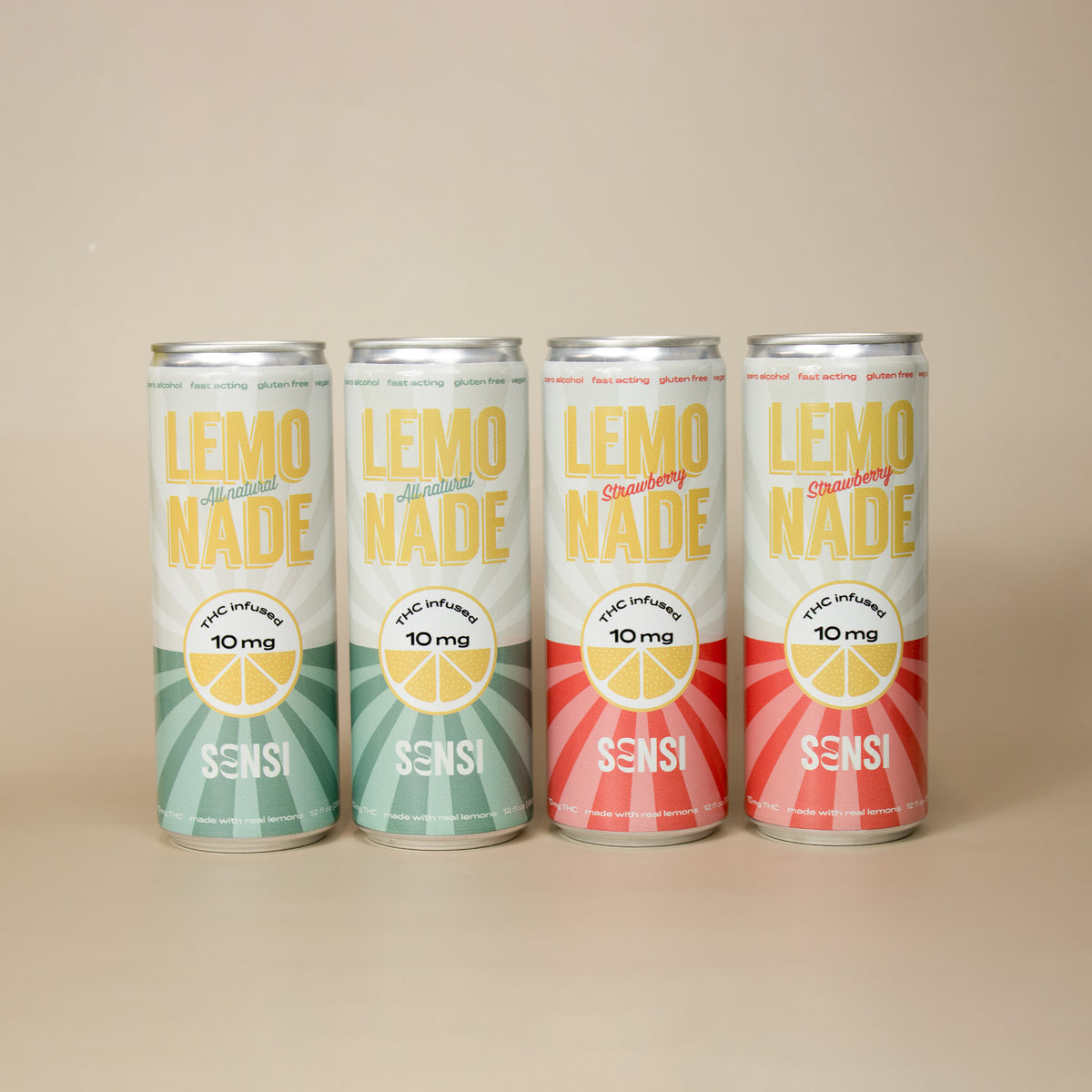
If you’re comparing formats for timing and feel, our internal guide on THC drinks vs. edibles and why they feel different walks through what to expect and why beverages can feel different from traditional edibles.
How to shop smart: checking an edible label full spectrum claim
Let’s talk about the most common label confusion we see: hemp seed oil vs. hemp extract. Hemp seed oil can be great as a food ingredient, but it doesn’t naturally contain meaningful cannabinoids. So if a gummy leans on “hemp oil” language but never mentions cannabinoids or lab results, you’re allowed to side-eye it.
Use this checklist when you’re shopping for a product that claims full-spectrum:
- Look for precise ingredient wording: “full-spectrum hemp extract” is clearer than vague “hemp oil” language.
- Find the milligrams per serving: CBD should be listed, and if THC is present it should be transparent.
- Match the batch to testing: a QR code or batch ID should connect to third-party results.
- Confirm the cannabinoid spread on the lab report: full-spectrum should show more than just CBD.
If you want to see how we handle this on our side, use our Sensi Test Results page with Certificates of Analysis (COAs) to match a product to its lab results before you commit.
Full-spectrum vs. broad-spectrum vs. isolate (quick comparison)
Not sure which lane you’re in? This table is the fastest way to sort it out. None of these options are “good” or “bad.” They’re just different tools for different comfort levels, especially around THC.
| Type | What it includes | THC content | Why you might pick it |
|---|---|---|---|
| Full-spectrum | CBD plus minor cannabinoids, terpenes, and other hemp compounds | Trace THC (hemp-compliant) | You want the widest hemp extract profile |
| Broad-spectrum | CBD plus some minor cannabinoids and terpenes | THC removed (or non-detect on a COA) | You want more than isolate, but you avoid THC |
| CBD isolate | CBD only | None | You prefer a single-cannabinoid ingredient |
How long do full-spectrum edibles take to kick in?
Edibles have to go through digestion, so they’re rarely instant. A common window is 30 to 90 minutes, and it can take longer depending on your metabolism, your serving size, and whether you took it with food.
This is where “Build Your Own Buzz” becomes real-life advice, not a slogan. Start with a lower serving, give it time, and adjust on a future day. Stacking servings too early is the fastest way to end up more buzzed than you planned.
What is full spectrum hemp extract in an edible if you care about drug tests?
If drug testing is part of your life, treat full-spectrum as a heads-up. Because full-spectrum hemp extract can include trace THC, frequent use may increase the chance of a positive test for THC metabolites. Tests don’t care whether THC came from hemp or marijuana.
If that’s a dealbreaker for work, sports, or other reasons, your safest move is to avoid THC-containing products entirely and talk with a qualified professional about your situation.
FAQ: What is full spectrum hemp extract in an edible?
Does “full-spectrum” mean the edible will get you high?
Not automatically. Full-spectrum hemp extract usually includes trace THC within hemp limits, but many full-spectrum edibles are not THC-first products. How you feel depends on the THC milligrams per serving, your tolerance, and your body.
How can you tell if an edible label full spectrum claim is legit?
Check for a third-party Certificate of Analysis (COA) that lists multiple cannabinoids and confirms THC levels. No COA, no confidence. If you want to browse options that are clearly labeled and tested, shop our Sensi Edibles collection and use the batch-linked results to verify what you’re buying.
What’s the difference between a full spectrum THC edible and a THC gummy?
In everyday shopping language, a full-spectrum hemp edible often means CBD-led hemp extract with small amounts of THC plus other minor cannabinoids and terpenes. A THC gummy is typically built around a specific THC dose per piece and is meant to feel more THC-forward.
What should you do if you don’t feel anything after 30 minutes?
Wait it out. Edibles are slow by nature, and taking more too soon is how people accidentally overdo it. Give it at least 90 minutes before you even think about increasing your serving. Next time, you can adjust with more confidence.
Conclusion
What is full spectrum hemp extract in an edible comes down to this: it’s hemp extract with a broader mix of cannabinoids and terpenes, including trace Delta-9 THC within hemp limits, instead of a single-compound shortcut. Your best shopping move is simple: read the label, check the milligrams, and use the COA as your proof-of-what’s-inside.
Keep it responsible and enjoyable. Build Your Own Buzz, Start Low and Go Slow, and pick the format that fits your plans, whether that’s a gummy night in or something you can sip socially.