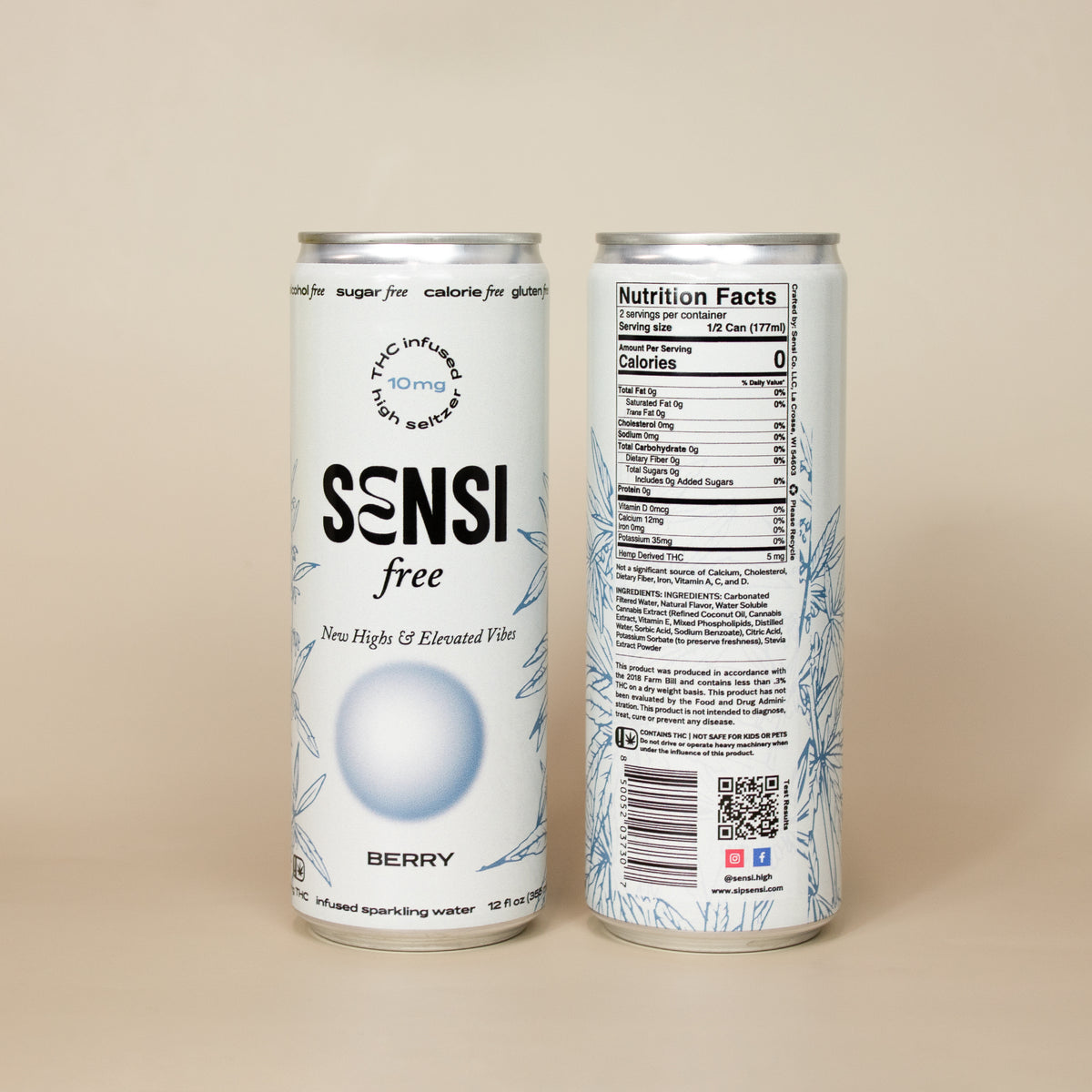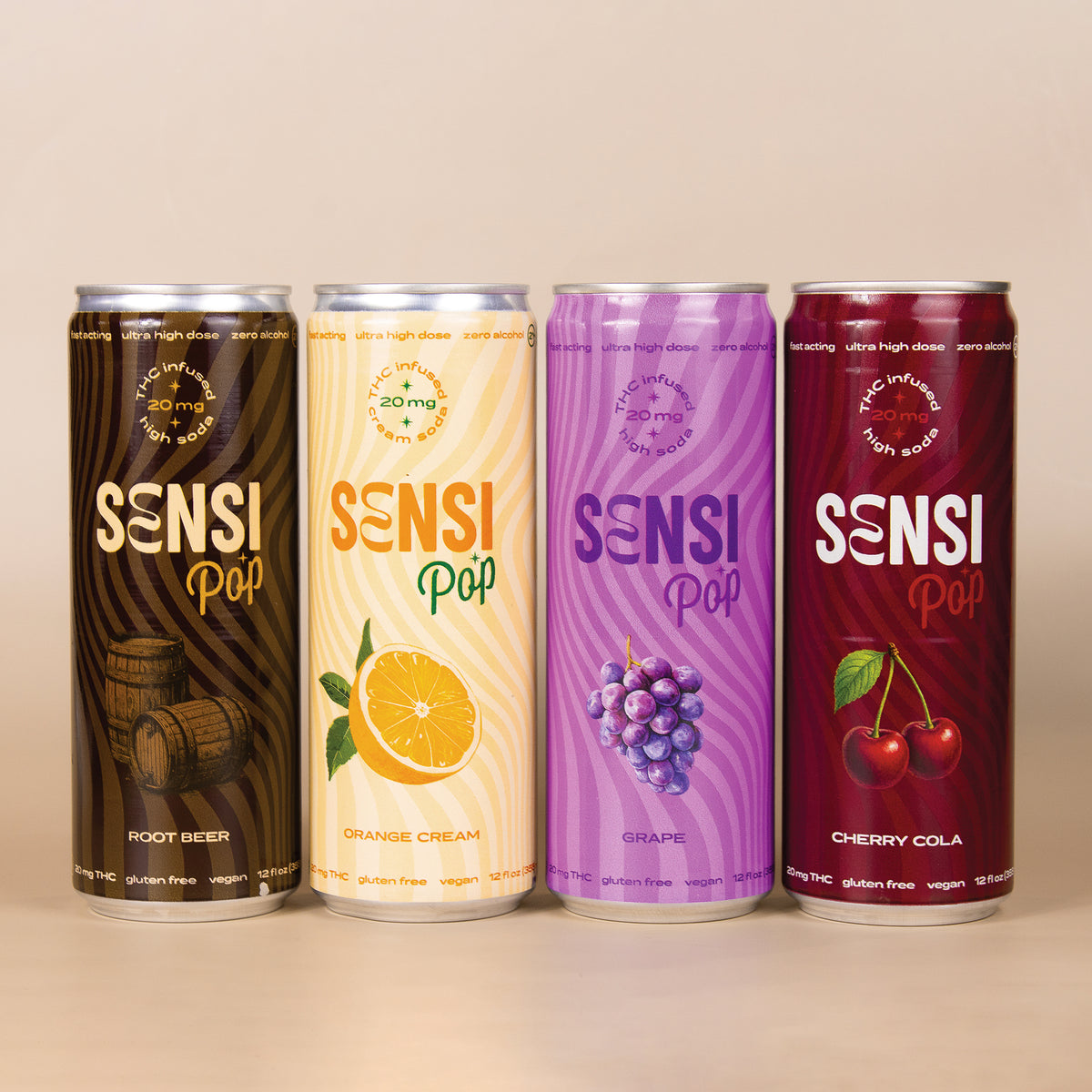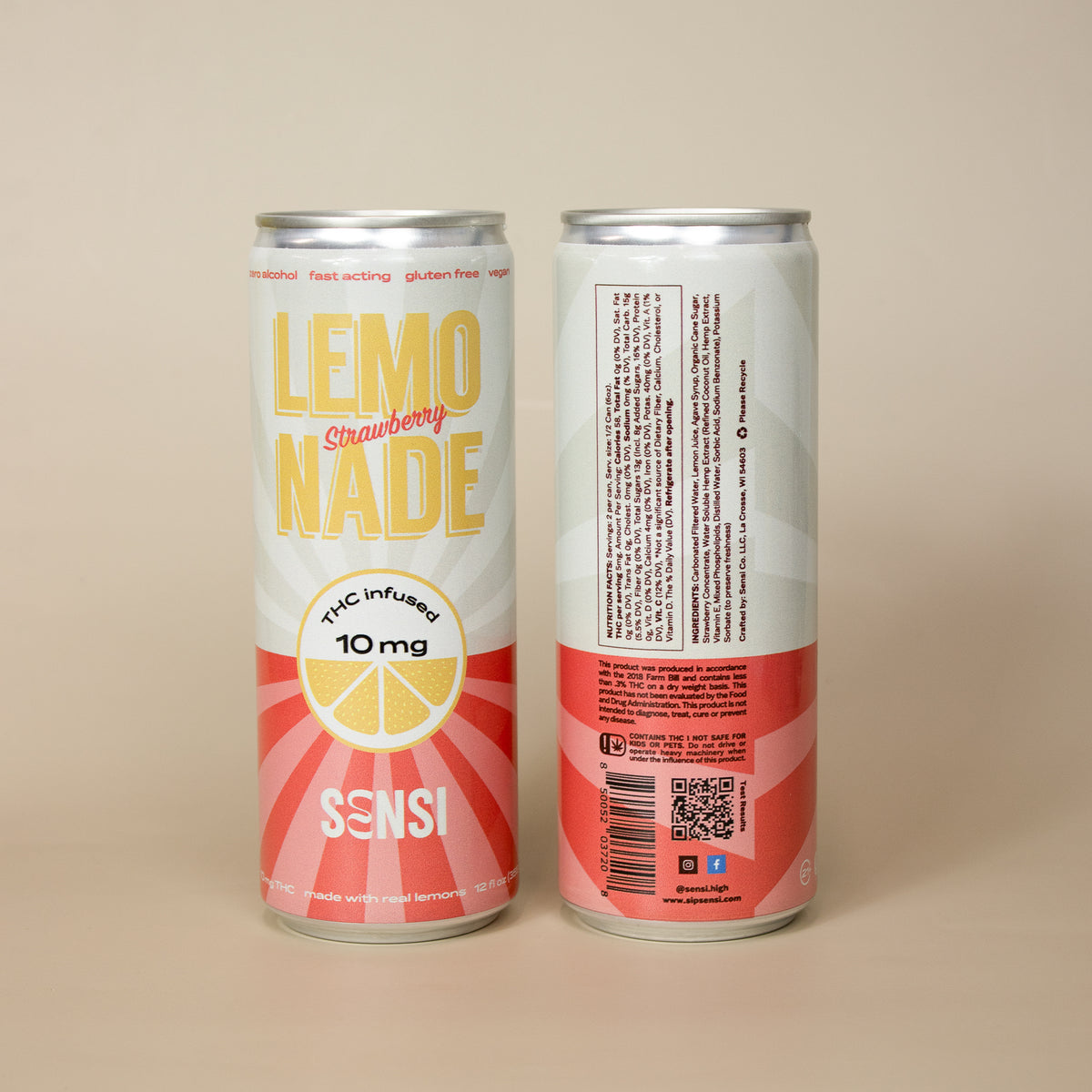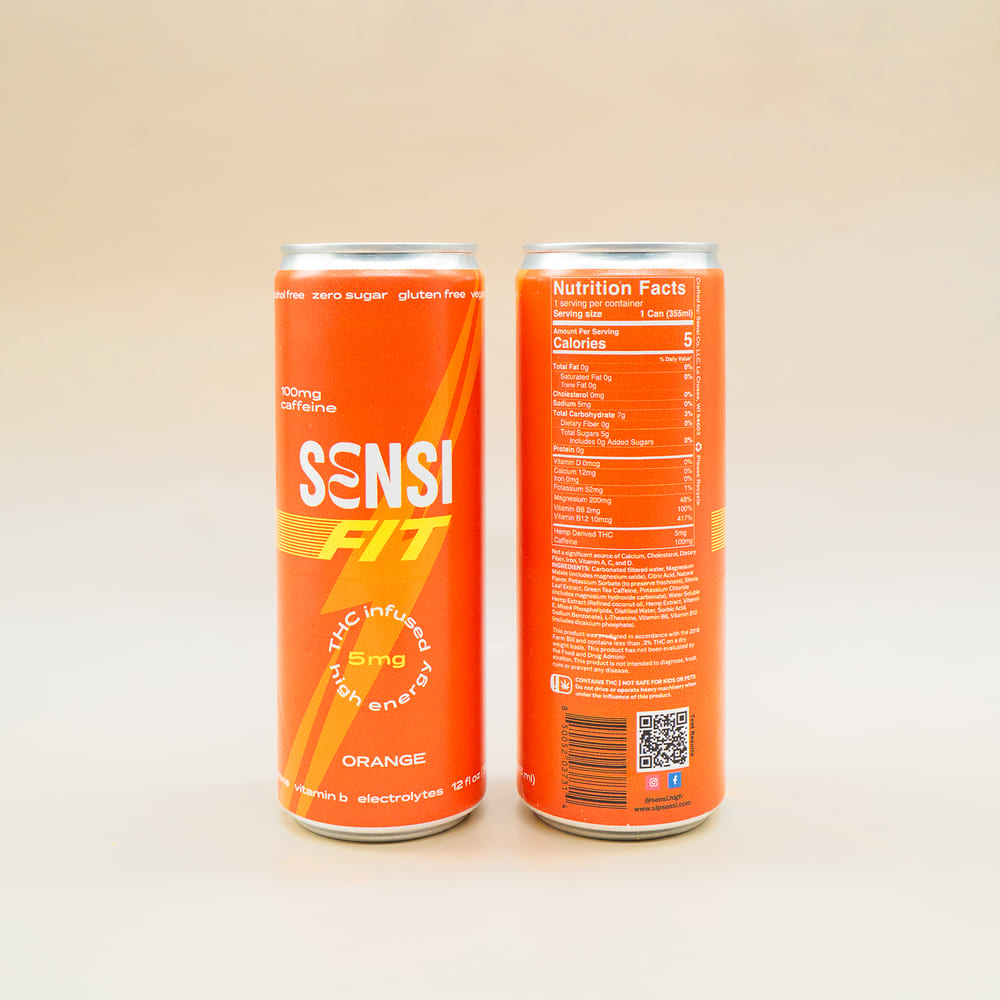
What Does Hemp Derived Mean on a THC Label?
What does hemp derived mean on THC label is usually the first thing you notice when you pick up a THC seltzer or soda for the first time. And yeah, it can look like legal fine print. But it’s actually a quick heads-up about where the THC came from and why the product might be available outside a dispensary.
We’re going to keep this simple and useful. You’ll learn what “hemp-derived” is really saying, why the “dry weight” rule is the reason THC drinks exist, and how to read a label so you can Build Your Own Buzz (BYOB) without guessing.
What does hemp derived mean on THC label (your quick translation)
On a THC beverage label, “hemp-derived” means the Delta-9 THC in the product was sourced from hemp, not from what the law calls marijuana. Hemp and marijuana are both cannabis plants, but U.S. federal rules split them into two buckets based on one number: Delta-9 THC concentration.
Under the 2018 Farm Bill framework, cannabis that contains 0.3% Delta-9 THC or less by dry weight is considered hemp. Over that threshold, it falls into the marijuana category under federal law. The USDA lays out the basics of this hemp definition in its hemp information resource, which is a helpful sanity check when label language starts to feel like a riddle.
What does hemp derived mean on THC label if it says Delta-9?
This is where people get tripped up: “hemp-derived Delta-9 THC” is not a special, watered-down version of THC. It’s still Delta-9 THC, the same cannabinoid most people mean when they say “THC.” The “hemp-derived” part is about sourcing and legal classification, not a new molecule with different vibes.
Another way to say it: your body does not care which side of the legal line the plant was on. It responds to the compound and the dose.
What does hemp derived mean on THC label for effects and drug tests?
If a can says 5mg Delta-9 THC and another product says 5mg Delta-9 THC, that’s the number that matters most for your experience. Effects can feel similar at the same dose because Delta-9 is Delta-9.
Also worth being real about: hemp-derived THC can still show up on a drug test. Most tests look for THC metabolites, not whether the THC started as hemp or marijuana. If drug testing is part of your job, sport, or routine, treat any Delta-9 product as potentially test-relevant. The FDA also notes that THC can impair and should be used responsibly in its consumer guidance on cannabis-derived products.
The dry weight rule is why THC drinks are even a thing
To understand hemp-derived THC beverages, you’ve got to understand the phrase “by dry weight.” The federal hemp limit is a percentage based on total weight. Drinks are heavy, even before you count the can or bottle.
That’s the loophole-looking part, but it’s really just math. When the product weighs a lot, 0.3% of that weight can still equal a noticeable amount of Delta-9 THC while staying within the hemp definition. That’s why you’ll see beverage doses like 2.5mg, 5mg, or 10mg in a single can.
How to read a hemp THC beverage label without overthinking it
When you’re shopping, the best labels do not make you do detective work. Here’s what you want to see clearly, every time:
- Delta-9 THC in mg per serving: This is your real-world dose. It’s the number you use to pace yourself.
- Servings per container: Some bottles are sneaky because they are multi-serve. Know the total THC before you sip.
- CBD (and other cannabinoids) listed in mg: If CBD is included, it may change the overall feel. You still dose from the Delta-9 mg first.
- Certificate of Analysis (COA): You want a third-party lab report that backs up potency and screens for common contaminants.
At Sensi, we make the COA part easy. You can check batch results any time on our Certificates of Analysis (COAs) and test results page.
Percent vs mg: the little label detail that saves your night
You’ll sometimes see THC listed as a percentage and in milligrams. The percentage is mainly about compliance language. Milligrams are about you, your plan, and your pace.
| Label detail | What it actually tells you | How you use it |
|---|---|---|
| 0.3% Delta-9 THC by dry weight | A legal threshold measurement | Useful context, but not great for deciding how much to drink |
| Delta-9 THC (mg) per serving or per can | Your dose | Best for Build Your Own Buzz (BYOB) and pacing |
| Servings per container | How many doses are inside | Prevents accidental “oops, that was two servings” moments |
Legality reality check: hemp-derived does not mean legal everywhere
“Hemp-derived” is a strong clue, but it is not a universal pass. States can restrict intoxicating hemp products, and rules can change. Before you order online or bring THC drinks to a cabin weekend, concert, or tailgate, take a minute to check what applies where you are.
If you want the quick version on shipping, basics, and responsible use, start with the Sensi FAQs on legality, shipping, and dosing.
Where Sensi fits: natural Delta-9 THC, clear doses, All Buzz, No Booze
We make hemp-derived Delta-9 THC beverages and edibles for Adults 21+ who want a modern alternative to alcohol. Same social ritual, different main character. That’s the whole point of All Buzz, No Booze.
We also keep things straightforward so you can shop based on what you actually want: a lighter sip for a weekday hang, a stronger option for a party, or something in the middle for a lake day. No mystery math required.
When you’re ready to browse, you can see the full lineup in our Shop All THC drinks and edibles collection.
Start Low and Go Slow: a dosing rhythm that works
Even with a perfectly labeled can, your experience can shift depending on tolerance, food, and setting. Our rule stays the same: Start Low and Go Slow. It keeps things fun and predictable.
- Pick a starter dose: Many people begin around 2.5mg to 5mg Delta-9 THC.
- Give it time before you add more: Don’t stack servings back-to-back. Let your body catch up.
- Change one thing at a time: If you’re experimenting, keep the brand and format consistent so you can actually learn what works for you.
If you want a simple step-up plan, our guide on when to graduate from 2.5mg to 5mg to 10mg THC drinks lays out an easy dose ladder.
FAQ: Hemp-derived THC drink labels
Is hemp-derived Delta-9 THC real THC?
Yes. Delta-9 THC is Delta-9 THC. “Hemp-derived” tells you the source fits the legal hemp definition, not that the THC is fake or fundamentally different.
Does “hemp-derived” mean the drink won’t get you high?
No. Hemp-derived THC drinks can be intoxicating depending on the mg per serving and your tolerance. Check the mg on the label and stick to Start Low and Go Slow.
Why do brands mention 0.3% by dry weight?
Because that percentage is tied to how hemp is defined federally. With beverages, the dry-weight math can still allow a meaningful dose while staying under the percentage threshold.
Can a hemp-derived THC drink affect a drug test?
It can. Drug tests usually look for THC metabolites, not the plant source.
What’s the easiest way to shop smarter?
Prioritize mg per serving, servings per container, and a third-party Certificate of Analysis (COA). If you’re moving up in strength, follow a dose ladder so you stay in control.
Conclusion
Now when you see the phrase and wonder, what does hemp derived mean on THC label, you’ve got the real answer: it’s a sourcing and legal classification tied to hemp and the 0.3% dry-weight definition, not a different kind of THC. The part that shapes your experience is still the same old truth: Delta-9 is dose-dependent.
Keep your eye on milligrams, look for a COA, and pace yourself. When you’re ready for a social sip that skips the booze, you can Build Your Own Buzz with Sensi.