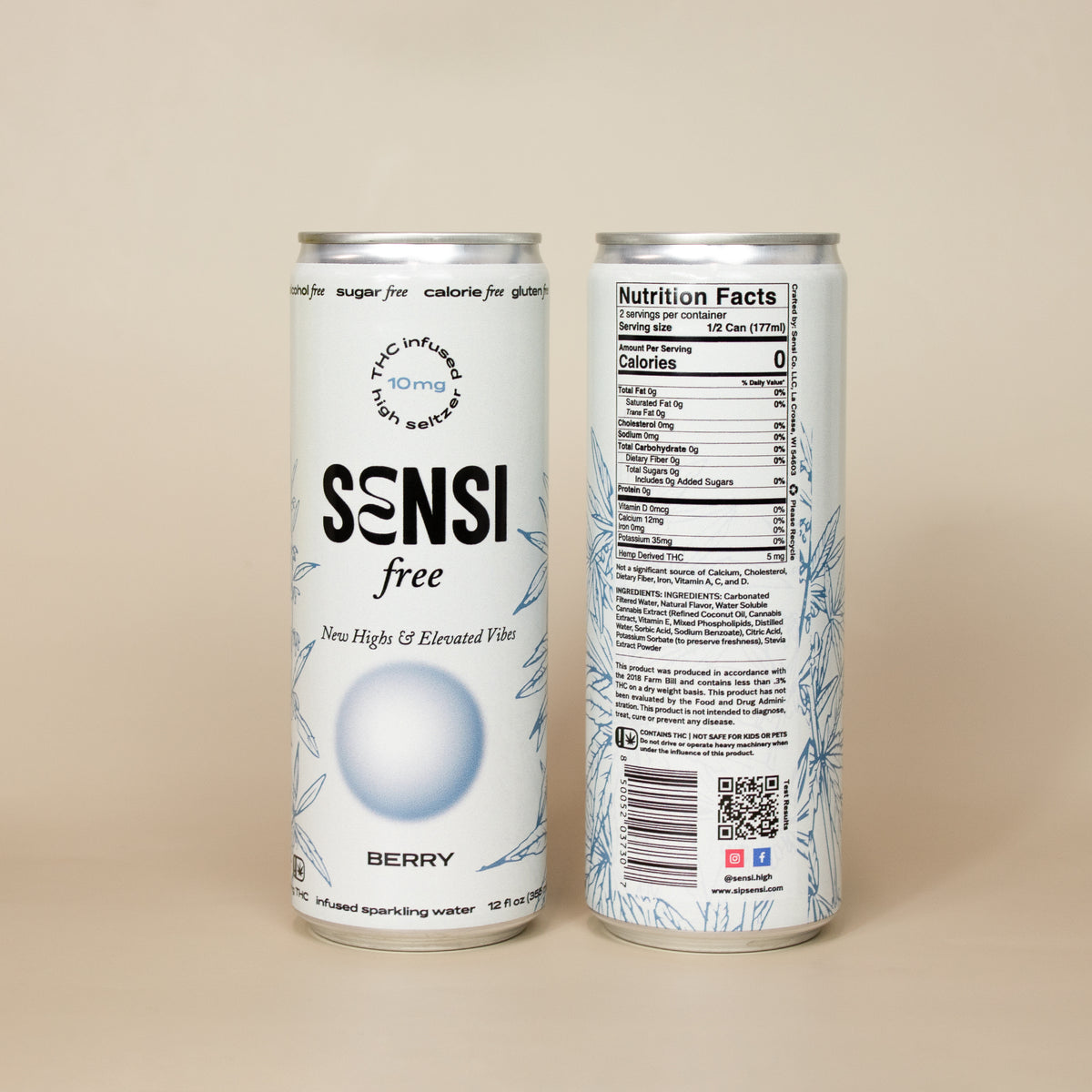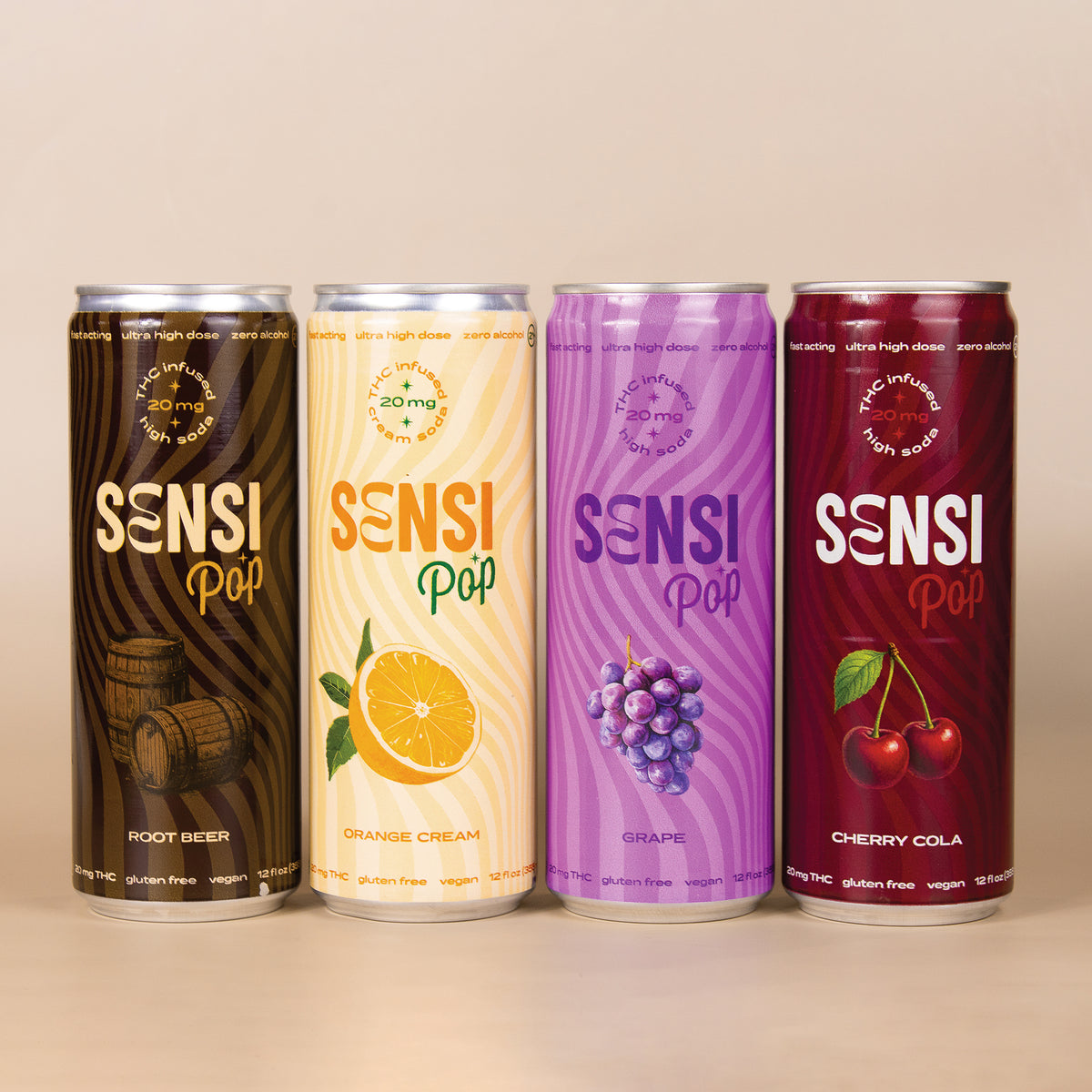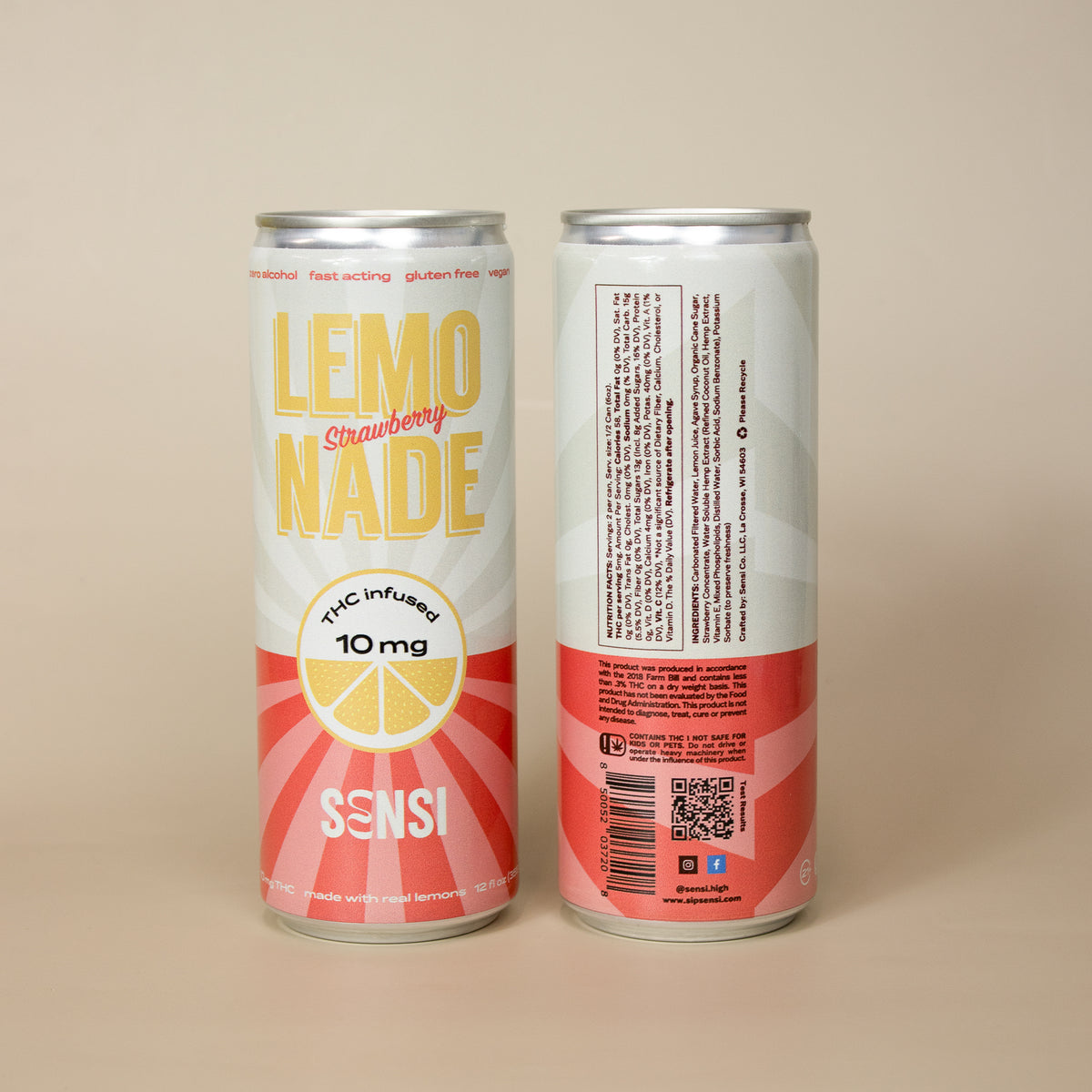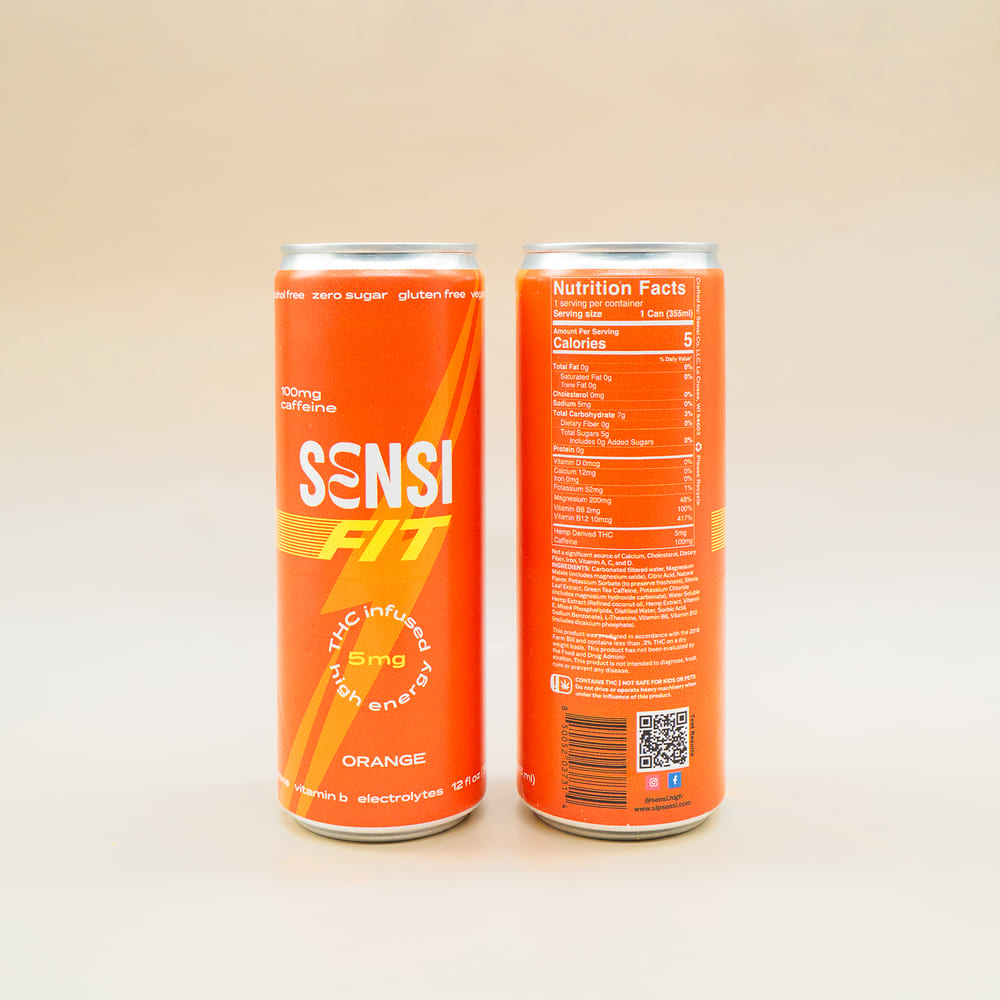
Third Party Tested THC Drinks: What That Really Means
Third party tested THC drinks should feel like a receipt, not a sticker. If you’re going to sip something that can nudge your mood and your pace for the night, you deserve to know what’s in the can and what never made it inside. We see “third-party tested” tossed around a lot in hemp THC, and honestly, it can mean anything from real documentation to a vague promise.
So here’s the simple, no-lab-coat version. You’ll learn what legit testing covers, how to skim a COA without getting a headache, and the quick red flags that tell you a brand is cutting corners. If you want a practical baseline for THC drink safety testing that you can check in under a minute, this is for you.
Third party tested THC drinks: what you should actually get
When we say “third party tested,” we mean an independent lab (not our buddy, not a back room setup) tested a specific batch of a specific product. The lab publishes results in a Certificate of Analysis, usually called a COA. That COA should match what you’re holding in your hand: same product, same flavor, same strength, same batch or lot number.
If the report is generic, outdated, or doesn’t connect to the can you’re buying, it’s basically trivia. Real third-party testing is about traceability. You should be able to follow the paper trail from the batch to the numbers, and then back to the batch again.
We keep our batch-specific reports easy to find on our Test Results page so you can check before you ever crack a can. That’s how it should be across the category.
Why lab tests matter THC: potency is not the whole story
It’s tempting to stop at the label and call it good. “10mg THC” sounds straightforward. But why lab tests matter THC goes way past the headline number. You want the dose to be accurate, the can to be clean, and the experience to be consistent.
When you look at a COA, you’re really trying to answer a few basic questions:
- Potency: Does the drink actually contain the stated Delta-9 THC per serving and per can?
- Cannabinoid profile: Is there CBD or other cannabinoids in the mix, and does it match the label?
- Safety screening: Was it checked for the usual suspects that can tag along with hemp extraction and manufacturing?
- Consistency: If you like how one can hits, can you expect the next batch to feel similar?
That’s the difference between a product you can plan around and one that keeps you guessing. Nobody wants to play dosing roulette at a backyard hang or before a dinner out.
Third party tested THC drinks: how to read a COA without overthinking it
A COA can look like a spreadsheet and a science fair had a baby. You do not need to read every line. You just need to know where to look.
| COA section | What it tells you | What you want to see |
|---|---|---|
| Batch or Lot ID | Whether the report matches your exact product | The same batch number printed on your can or packaging |
| Date tested | How recent the testing is | Recent enough to reflect current production, not something from last year |
| Cannabinoid potency | Delta-9 THC and other cannabinoids in mg | Numbers that line up with the label, with serving size clearly stated |
| Safety panels | Contaminants and whether they passed | Clear PASS results and readable numeric values when shown |
| Lab details | Whether it’s a real, accountable lab | Lab name, methods, and contact info you can verify |
If you’re skimming fast, start with the batch ID. If that doesn’t match, the rest doesn’t matter.
Lab tested hemp delta-9: what “legal” should look like on paper
“Legal” is a loaded word in hemp. For hemp-derived Delta-9 beverages, the big federal reference point is the 2018 Farm Bill definition of hemp, which includes a Delta-9 THC threshold of no more than 0.3% on a dry weight basis. A good COA helps you confirm the product fits that framework and that the report belongs to the batch you’re buying.
If you want the wider map of how rules shift by state and what that can mean for buying and shipping, read our guide Are Hemp THC Drinks Legal 2026? A Buyer’s Guide. It’s the kind of article you bookmark and send to a friend when the group chat starts arguing.
From your point of view, “lab tested hemp delta-9” should mean:
- You can see the Delta-9 THC amount in plain numbers
- You can spot other cannabinoids present, including any intoxicating ones
- You are not being tricked by weird serving-size math
Red flags that make “third-party tested” feel like window dressing
You don’t need to be cynical. You just need to be a little picky. When a brand truly tests well, they usually want you to see it. When they don’t, the info gets slippery.
- You cannot find a COA before you buy: If it takes three emails and a full moon to get the report, that’s not transparency.
- The COA doesn’t match the product: Wrong flavor, wrong strength, or missing batch number.
- Only potency is tested: Potency alone is a half-finished homework assignment.
- Blurry screenshots or chopped PDFs: A real COA should be readable and complete.
- “Total cannabinoids” with no Delta-9 clarity: You deserve a direct Delta-9 THC line item.
If you want a quick label-first way to vet products, our post How to Spot a Real THC Soda: Label Clues that Protect You is a solid gut-check.
What THC drink safety testing should screen for (the non-glam stuff)
Here’s the part nobody puts on a billboard. Hemp is a bioaccumulator, meaning it can pull compounds from the soil. Then there’s extraction, manufacturing, and packaging. If a brand’s quality controls are loose, unwanted contaminants can sneak in. That’s why THC drink safety testing should go beyond cannabinoids.
Panels vary depending on state programs and lab scope, but reputable testing often includes categories like:
- Heavy metals that can come from soil or equipment
- Pesticides tied to cultivation inputs
- Microbials such as mold, yeast, or harmful bacteria
- Residual solvents if certain extraction methods were used
If a company says “clean” but won’t show these results, you’re being asked to trust a vibe. We’d rather give you the paperwork. It’s not sexy, but it’s real.
Potency tips so you do not get surprised mid-sip
Even with a real COA, people get tripped up because potency can be listed per serving while the can has multiple servings. Or it’s listed per can and the serving size is tiny. It happens all the time.
Use this quick three-step check:
- Find the Delta-9 THC number and confirm whether it’s per serving or per container.
- Match it to the label on the product page and the can.
- Watch for big gaps. Small variation is normal in manufacturing, but a large mismatch is a no-go.
If you prefer a lighter lift or you’re still figuring out your sweet spot, take a look at our Low Dose THC Products. Low dose is just easier to live with, especially if you like to pace yourself.

Third party tested THC drinks and consistency: the underrated benefit
Consistency is not just a “nice to have.” It’s part of safety. When dosing swings from batch to batch, you can accidentally take more than you planned, especially if you’re used to a certain one-can feel.
With well-made beverages, you can treat your can like a known quantity. That predictability is the whole point. You should be able to bring a case to a get-together and not worry that the new batch is randomly stronger or weaker. If you’ve ever had a drink that felt different every time, you already know what we mean.
A reality check from regulators and measurement folks
If you like grounding your standards in something besides brand talk, there are a couple credible places to look.
The U.S. Food and Drug Administration has an overview on cannabis and cannabis-derived products including CBD that explains how the agency thinks about truthful labeling and consumer protection.
On the lab side, the National Institute of Standards and Technology runs work around measurement confidence through its Cannabis Laboratory Quality Assurance Program. The point is simple: better lab practices help make COAs more comparable, which helps you make smarter choices across brands.
FAQ: third-party testing for THC drinks
What does “third party tested” actually mean?
It means an independent lab tested a specific batch and published a COA. You should be able to confirm the batch or lot number and see clear results for potency and safety panels.
Are third party tested THC drinks always safer?
They’re more verifiable, which usually tracks with better practices. But you still need to check what was tested, what passed, and whether the COA matches your exact batch.
Where do you keep your Sensi COAs?
Right here: our Test Results page. Find your product, match the batch, and you’re set.
What’s the difference between “lab tested hemp delta-9” and “hemp THC”?
“Hemp THC” is a broad phrase. “Lab tested hemp delta-9” should mean you can see Delta-9 THC listed on a COA with batch identifiers and test dates, not just a claim on a label.
What should you do if a brand will not share a COA?
Treat it like a hard stop. If the product is solid, the paperwork should be easy to find. If it is hidden, that is telling you something.
Conclusion: ask for proof, sip with confidence
Third party tested THC drinks should come with a COA that matches your batch, confirms Delta-9 potency in plain numbers, and backs it up with real THC drink safety testing beyond cannabinoids alone. That’s what separates a trust signal from decorative packaging.
If you ever want help reading a report or choosing a dose that fits your night, reach for the COA first, then reach out. Also, if you spot a brand hiding info, trust your gut. You are not being “too picky.” You are being smart. And yeah, we’ll say it: transparency should be easy, not a scavenger hunt.
One last thing, because we are human too: if you ever catch a COA that looks kinda suspicious or a label that feels off, take a beat and double check. Your future self will thank you.