THC Lemonade Ingredients: How to Read the Label
THC lemonade ingredients look friendly on the front of the can, but the real story is always on the label. When you’re standing there squinting at “nano,” “hemp-derived Delta-9,” or a tiny “serving size” line, you’re doing the right thing. A good THC drink should feel predictable, taste clean, and come with receipts you can actually check.
We’re Sensi, and we spend a weird amount of time reading labels so your next sip is less of a gamble. Below is our no-fluff way to scan ingredients, decode dosing, and confirm lab testing. Keep it handy the next time you’re shopping.
THC lemonade ingredients 101: what you’ll usually see
Most THC lemonades are built like a classic lemonade, then a hemp extract gets added in a way that actually mixes. The basics are easy to spot, but quality can swing a lot depending on the sweetener, the flavor system, and how clearly the brand spells things out.
Here are common THC lemonade ingredients you’ll see on a solid label:
- Water (filtered, purified, or reverse osmosis)
- Lemon juice (from concentrate or real juice)
- Sweetener like cane sugar, agave, allulose, sucralose, or stevia blends
- Citric acid for tartness and shelf stability
- Natural flavors to round out the citrus
- Preservatives such as potassium sorbate or sodium benzoate in shelf-stable cans
- Hemp-derived cannabinoids (often Delta-9 THC, sometimes paired with CBD or other minors)
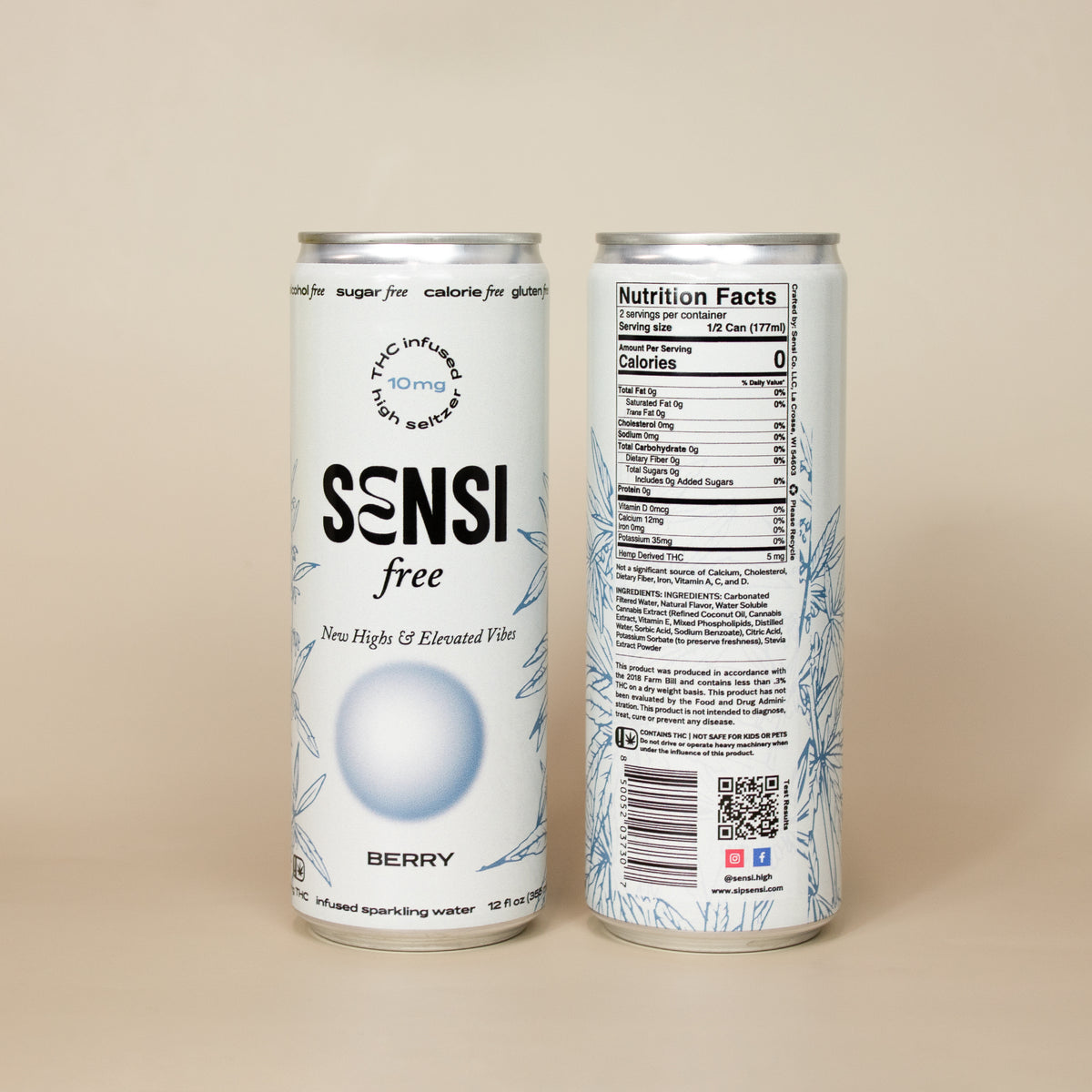
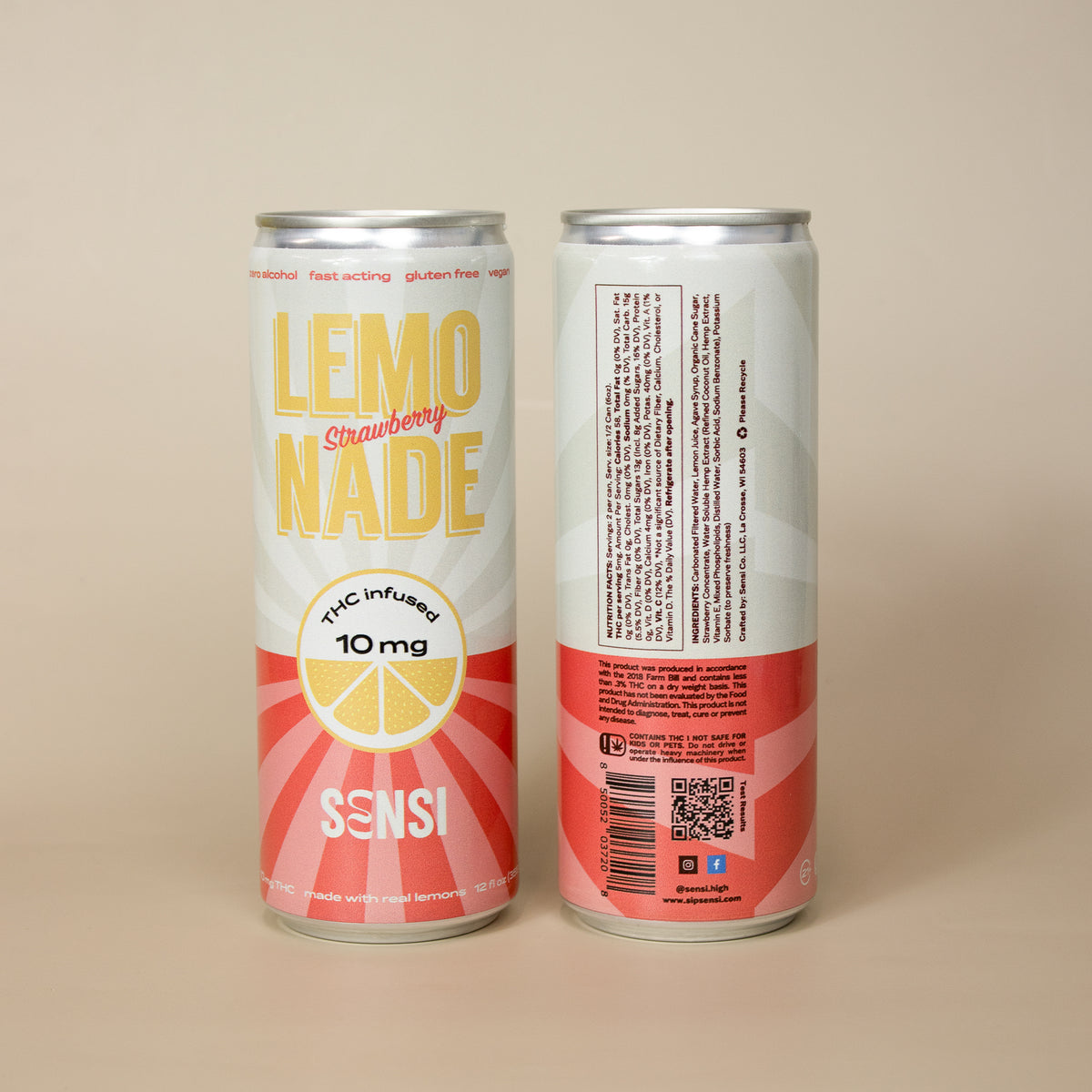
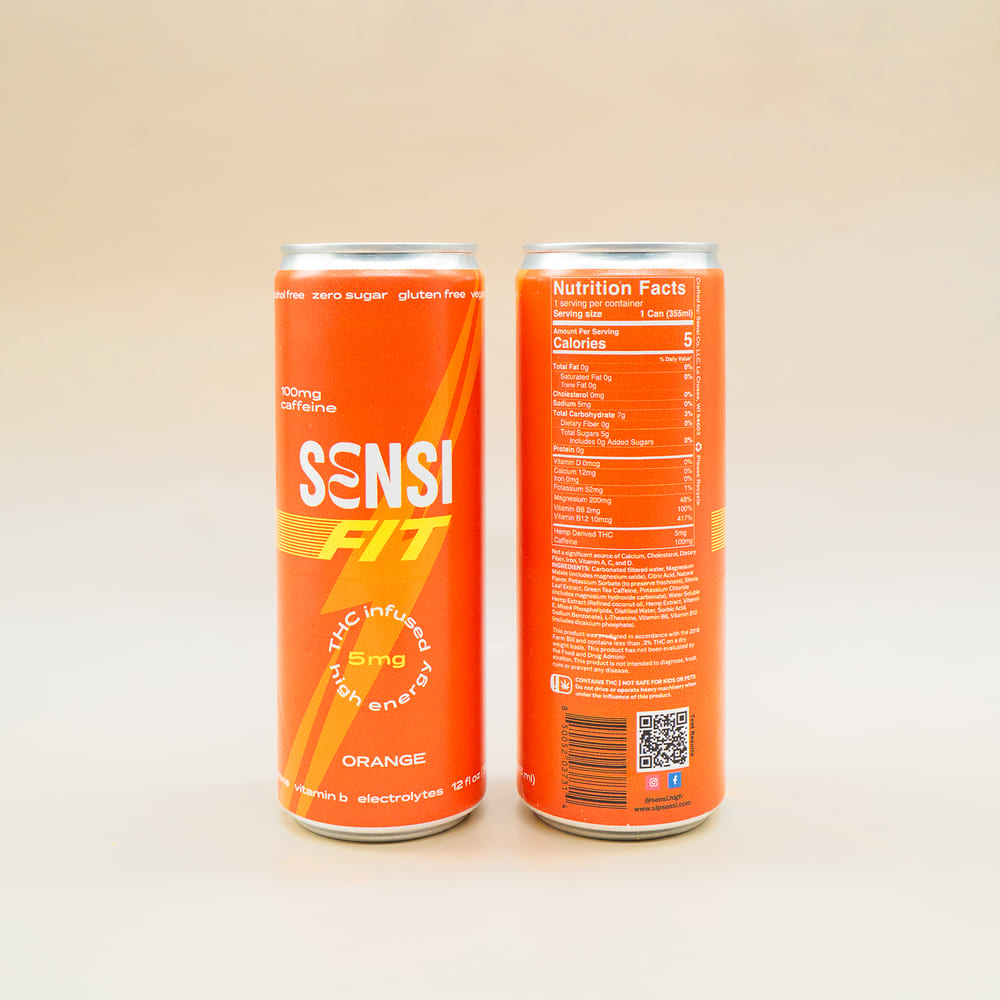
If you like comparing labels, pull up a couple of different cans next time you’re shopping. Seeing two ingredient panels side by side makes the “clear” brands pop fast.
Why “nano” shows up in THC lemonade ingredients
Here’s the simple version: cannabinoids do not naturally want to hang out in water. Without help, you can end up with separation, uneven dosing, or that faint oily note that ruins the whole vibe.
That’s why you’ll often see nano-emulsified, nano THC, or water-soluble on a can. It usually means the cannabinoids were broken into tiny droplets so they stay evenly mixed.
What that means for you:
- Faster onset for a lot of people compared to a gummy
- More consistent sipping since the THC is dispersed throughout the drink
- More reason to pace yourself, because it can sneak up quicker than you expect
Little tip from us: if you’re new, drink it like you’re testing a new hot sauce. Small taste, wait, then decide. It sounds silly, but it works.
How to read THC lemonade ingredients plus dosing (serving vs can)
The dosing panel is where people get tripped up, even smart, careful people. You’re looking for two numbers:
- THC per serving
- THC per container (the whole can or bottle)
Sometimes the front says “10mg” and your brain goes, cool, one can equals 10mg. Then you notice the nutrition-style panel says “2 servings per container.” Now you’re holding 20mg total. That is a different afternoon.
And if you’re the type who likes to sip slowly and keep the math simple, we made a practical pacing guide at How Many Sips Is 1mg THC? THC Lemonade Dosing. It helps you estimate mg per ounce so you’re not guessing mid-can.
Hemp-derived delta-9 lemonade and the 0.3% rule (in plain English)
When a product calls itself hemp-derived delta-9 lemonade, it’s pointing to how it fits under the Farm Bill hemp framework. The key phrase to look for on the label is “hemp-derived Delta-9 THC” along with compliance language.
The part everyone quotes is the limit: no more than 0.3% Delta-9 THC by dry weight. Drinks are heavy, so a can can still have a real dose (like 5mg or 10mg) and remain under that percentage. This is one of those legal details that sounds confusing until you connect it to the weight of the beverage.
If you still have questions about specs, serving sizes, and how we talk about our drinks, our FAQs break it all down for shoppers.
The cannabinoid panel: what you actually want to see
A label that only says “hemp extract” is like a menu that only says “pasta.” Okay… which one? A trustworthy drink tells you what cannabinoids are doing the work and how much of each is inside.
Here’s a quick read on the usual players:
- Delta-9 THC: the main driver of the buzz
- CBD: non-intoxicating and often added for a more balanced feel
- CBN: commonly used in wind-down style formulas
- CBG: often described as more clear-headed by many folks
You’ll also see extras sometimes, like electrolytes or vitamins. Those can be nice, but we’d rather you trust the cannabinoid numbers and the lab work first. Flashy add-ons are not a substitute for a clean COA.
THC lemonade COA: the quickest way to confirm you’re not guessing
A THC lemonade COA is a Certificate of Analysis from a third-party lab. It’s the “show your work” moment. At minimum, you want potency results that match what’s on the can. Even better is a full panel that includes common safety screens such as heavy metals, pesticides, microbials, and residual solvents.
If you’ve never looked at one, it helps to see how brands present their testing publicly.
One more real-world note: if a brand makes you hunt for the COA, or the QR code leads nowhere, that’s not you being picky. That’s you being smart. And yeah, we’ve all scanned a QR code that went to a blank page. Super annoying.
Quick red flags when you’re reading THC lemonade labels
Not every imperfect label equals a bad product, but patterns matter. If you spot a couple of these at once, we’d move on.
- No COA, no QR code, and no lab page on the website
- Vague wording like “hemp blend” without telling you the Delta-9 amount
- Missing mg info for either per serving or per container
- No hemp-derived language or unclear compliance statements
- Ingredient fog like “proprietary blend” where it doesn’t belong
And if you’re looking at powdered mixes, be extra strict about per-serving milligrams. Formats vary a lot, so the label has to carry more weight.
Where to find transparent THC lemonade ingredients (and how we do it at Sensi)
We built Sensi around the idea that your drink should feel fun, not fuzzy. That means straightforward THC lemonade ingredients, clear dosing, and third-party testing you can pull up anytime.
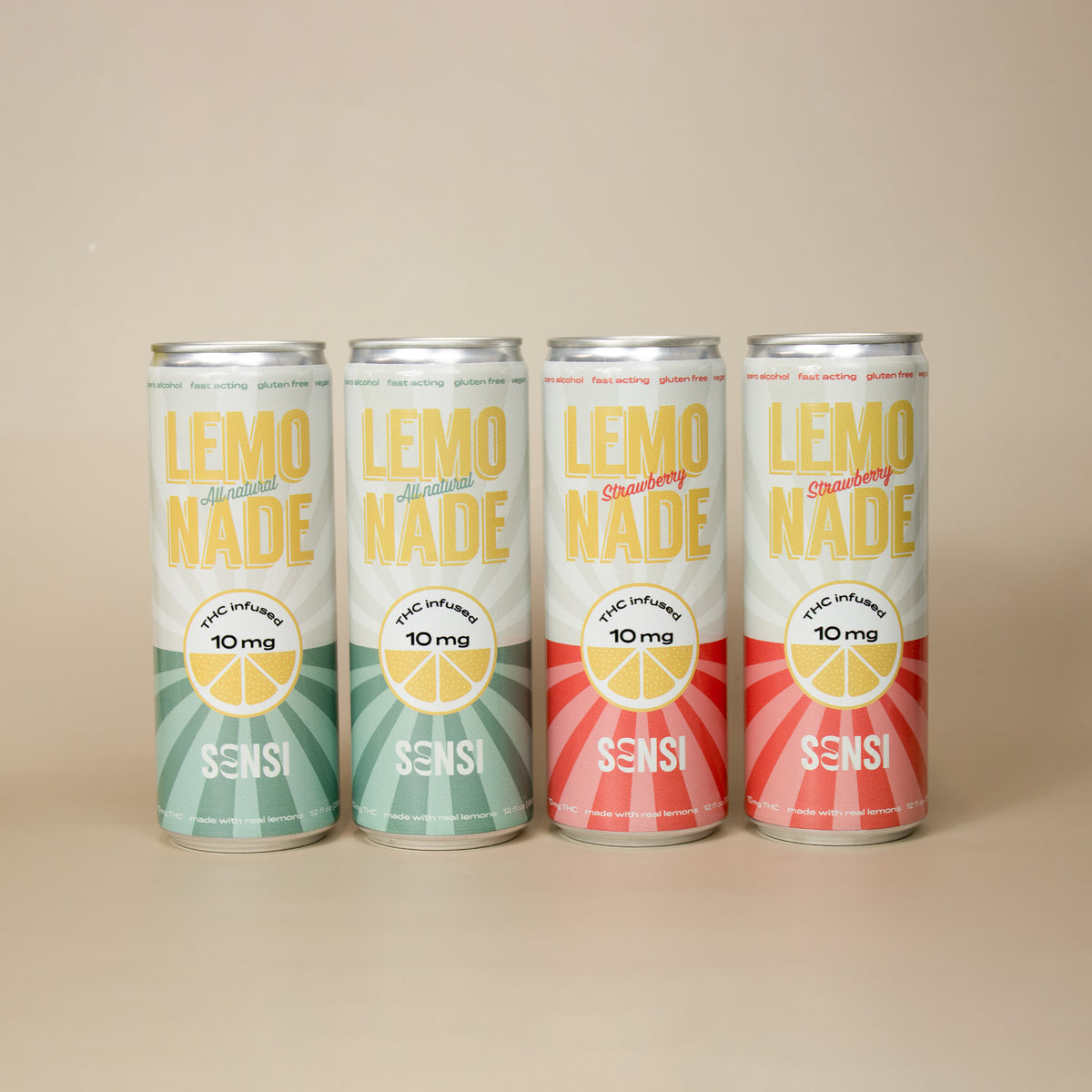
If you’re browsing flavors, start here: Sensi THC Lemonade collection. When you want to double-check a specific batch, you can grab the lab report from our Test Results page.
And if you want to turn a can into a frozen treat without losing track of your dose, our THC Lemonade Slushie Recipe walks you through the simple dosing math.
FAQ: reading THC lemonade labels
What’s a good starting dose for THC lemonade?
If you’re newer to THC drinks, 2 to 5mg is a common starting range. If your can is 10mg total, consider sipping about half, then wait before you go back in.
How long does nano-emulsified THC lemonade take to kick in?
Many people notice it in 15 to 30 minutes, though food, metabolism, and tolerance can change that. Give it time before you top off your dose.
What does “hemp-derived Delta-9” mean on a label?
It means the Delta-9 THC comes from hemp and the product is formulated to meet hemp compliance standards, including the 0.3% Delta-9 THC by dry weight threshold.
What should a THC lemonade COA include?
At minimum, potency results for cannabinoids. Ideally, it also includes contaminant testing such as heavy metals, pesticides, microbials, and residual solvents. If you cannot find the COA, pause before you purchase.
What’s the difference between THC per serving and THC per can?
Per serving is the dose for one serving size. Per can is the total THC in the whole container. If there are two servings, the can total is double the per-serving number.
Conclusion: let the label guide the sip
You do not need a chemistry background to shop well. You just need a quick routine. Scan the THC lemonade ingredients, confirm mg per serving vs mg per can, look for clear hemp-derived delta-9 lemonade wording, and always check for a real THC lemonade COA.
If you ever run into a label that feels confusing, save it and compare it to a brand that publishes clean details and easy-to-find lab reports. Your future self will thank you. And if you want, you can always reach out to us with what you’re looking at. We’ll help you decode it.