How to Read a COA for THC Drinks vs Gummies
How to read a COA for THC drinks vs gummies is way less complicated than it looks, once you know what you’re trying to confirm. Think of the COA like the receipt behind the label: it tells you what’s in your can or gummy bag, how much is actually there, and whether the batch cleared the basic safety checks. If you’re buying hemp-derived Delta-9 THC online, it’s also one of the fastest ways to separate “real testing” from pretty packaging.
We’re going to keep this simple and human. You’ll learn what to verify in the first minute, why drinks and gummies use different potency “languages,” how to decode those little abbreviations labs love, and a few red flags that should make you pause before you sip or snack.
How to read a COA for THC drinks vs gummies: start with the basics
A Certificate of Analysis (COA) is a third-party lab report tied to a specific batch or lot. The point is straightforward: confirm potency (cannabinoids like Delta-9 THC and CBD) and confirm safety (contaminant testing like heavy metals, pesticides, microbials, and residual solvents). If you want to see what a consumer-friendly report should include, the New Jersey Cannabis Regulatory Commission COA consumer guide lays out the big pieces you should expect to find.
For hemp-derived products, COAs are still your best trust tool because you’re not standing in a dispensary with a state program doing the vetting for you. At Sensi, we keep it transparent and batch-specific, so you can check your report anytime in our Sensi Test Results hub.
Your first 60 seconds: the quick “does this COA even match my product?” check
Before you start doing any dosing math, make sure the report actually belongs to what you bought. This is the part most people skip, and it’s also the part that saves you from accidentally reading a random, outdated PDF. The Cannabis Workforce Initiative COA checklist calls out product and batch matching as the first move for a reason.
- Product name: Should match what’s on your label.
- Batch or lot number: The batch on the COA should match the batch on your can or bag.
- Lab name and accreditation: Look for a real lab and signs of quality standards, often ISO/IEC 17025.
- Test date: Should be relevant to that batch, not something from a year or two ago.
- Complete panels: Potency is not enough by itself. You want contaminants panels too.
If the report only shows a single THC number and nothing about contaminants, it’s not giving you the full picture. Potency tells you what you might feel. Safety panels tell you what you’re actually putting in your body.
How to read a COA for THC drinks vs gummies: why the units look different
Here’s the main difference. Gummies are solids and come in individual pieces. Drinks are liquids and usually have servings inside the can or bottle. That changes how labs display potency, and it changes how you should read it.
| COA detail | THC gummies | THC drinks |
|---|---|---|
| Best number to use for dosing | mg per piece (plus mg per package) | mg per serving (plus mg per can or bottle) |
| Most common confusion | Getting stuck on % THC instead of mg per gummy | Mixing up mg/mL with mg per serving |
| How the label should line up | COA mg per gummy should be close to the label mg per gummy | COA serving totals should match the label serving size and total mg per container |
| Safety panel you should not skip | Microbials and heavy metals matter for edibles | Residual solvents matter a lot for many beverage inputs |
Gummy COA reading: ignore the percent and find mg per piece
When you’re holding gummies, you usually care about one thing: how many mg are in one gummy. That’s your dose. You might still see percentages on the report because hemp compliance conversations often revolve around weight. In real life, when you’re deciding “half a gummy or a full one,” percent does not help nearly as much as milligrams.
Try this quick sanity check:
- If the label says 10 mg Delta-9 THC per gummy, the COA should show a result in that neighborhood for each piece.
- If the bag has 10 gummies and the label says 100 mg total, the totals should add up accordingly.
- If it’s a blend, look for separate lines for each cannabinoid listed, like Delta-9 THC, CBD, and CBN, so you understand the full recipe.
Small variation can happen batch to batch. What you don’t want is a label that claims 10 mg and a COA that comes back at 4 mg or 18 mg without a clear explanation. That’s not “normal manufacturing.” That’s a mismatch.
THC drink COA guide: servings, mg/mL, and keeping the math honest
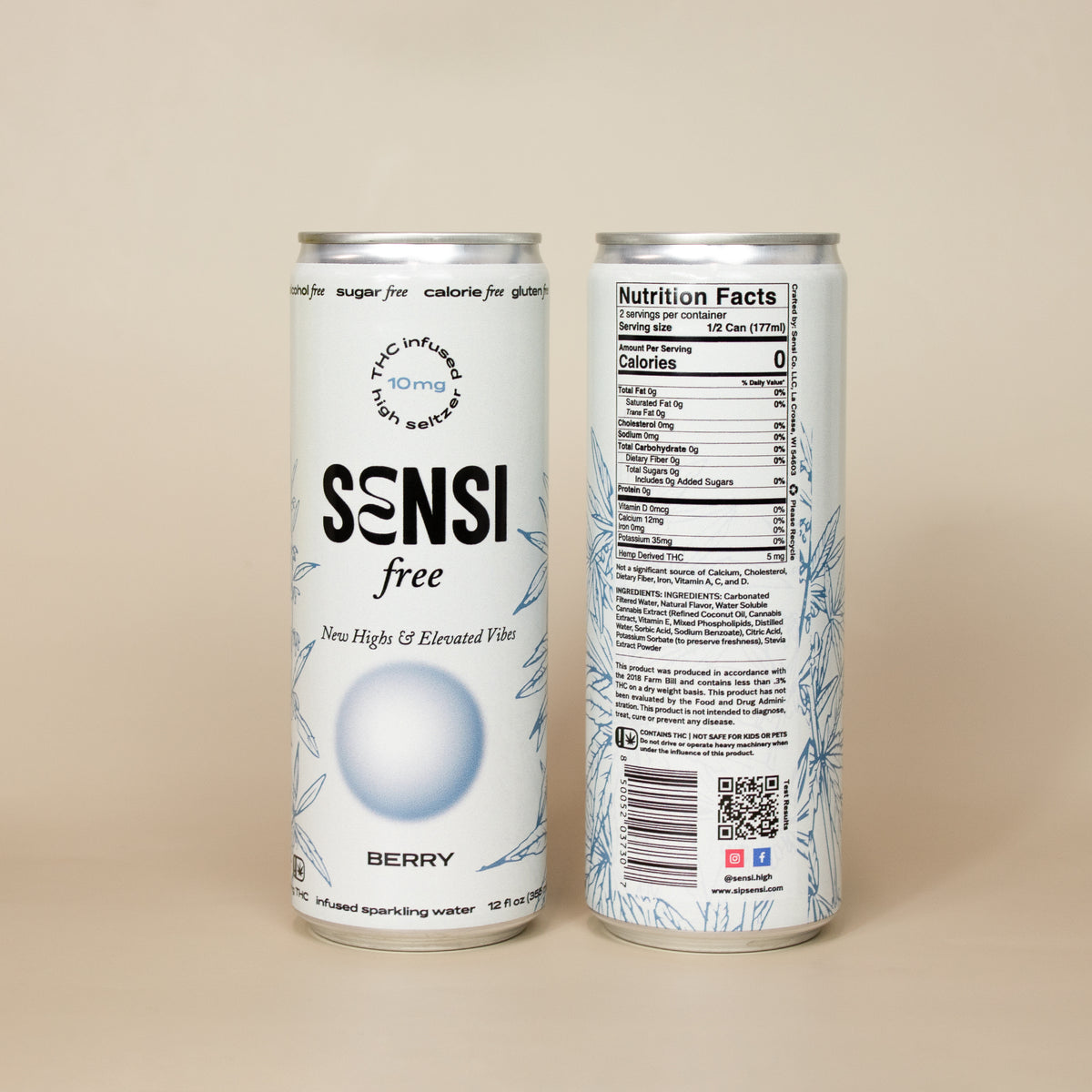
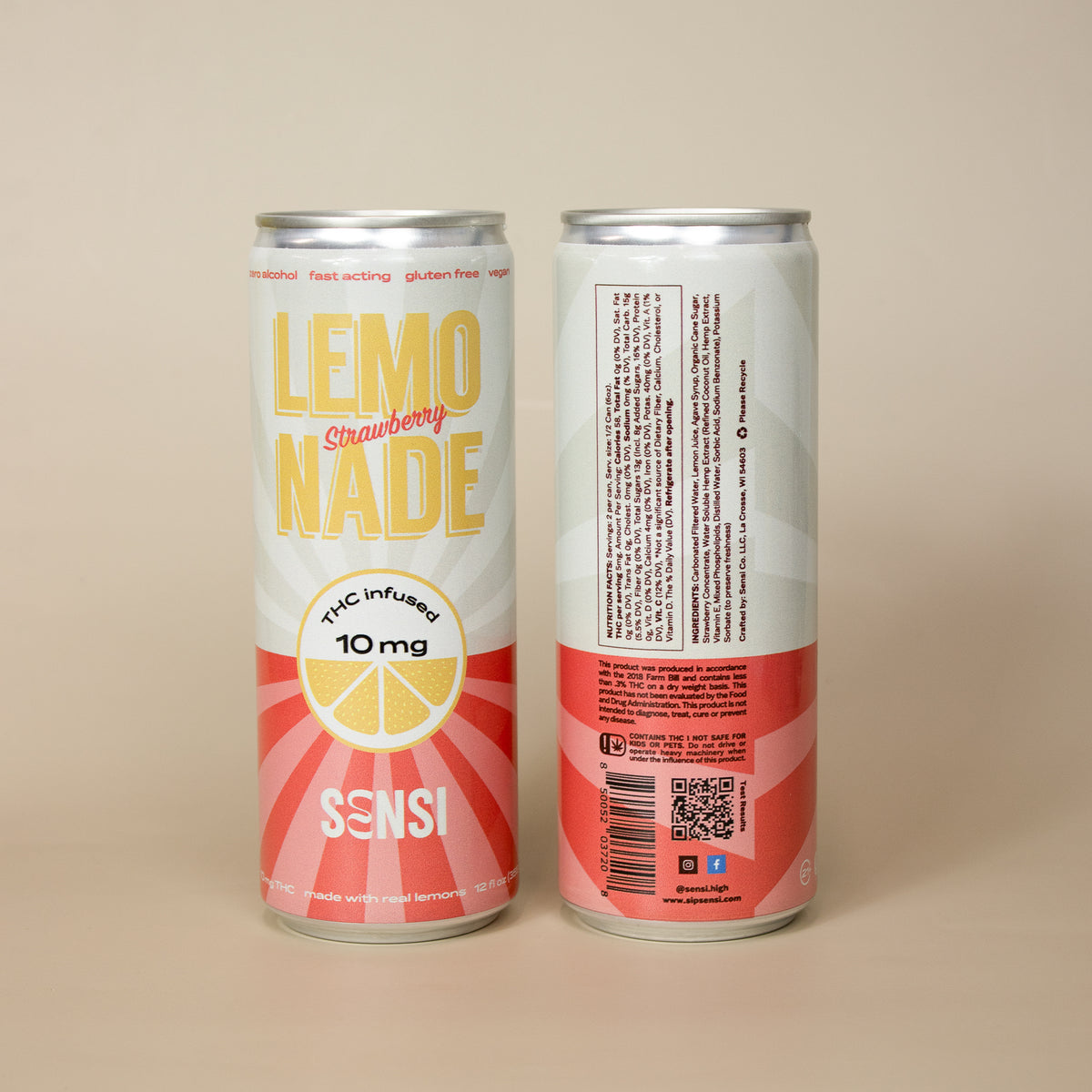
Drinks are where people accidentally overdo it, not because they’re careless, but because the math can be presented three different ways. A label might say “5 mg THC per serving” and “10 mg THC per can.” That means the can has two servings, even if you plan to drink it in one go.
Depending on the lab, your beverage COA might show:
- mg per serving
- mg per container
- mg/mL (a concentration)
If you ever see mg/mL and freeze up, you’re not alone. All it means is “milligrams in one milliliter.” To estimate total mg in the whole container, multiply mg/mL by the total mL in the can or bottle. If the COA already lists mg per serving and mg per container, use those first since they match how you actually drink.
Also worth knowing: many THC beverages use an ultrasonic nano-emulsification process to help cannabinoids mix evenly in water-based drinks. That can influence how the lab formats the cannabinoid section, but your goal stays the same: confirm the units match the label, then confirm the servings add up. If you want a beverage-specific example of how these tables are often laid out, the cannabis beverage COA guide walks through common drink report formats.
How to read a COA for THC drinks vs gummies without getting stuck on ND and LOQ
COAs come with a whole alphabet of abbreviations. Two that show up constantly:
- ND (Not Detected): The lab did not detect that compound above its detection threshold.
- LOQ (Limit of Quantitation): The smallest amount the lab can reliably measure. You might see results written as “< LOQ” or “<” a specific number.
Here’s the calm way to read that. ND does not always mean absolute zero. It usually means “if it’s there, it’s below what our method can confidently pick up.” For contaminants, ND is typically what you want to see because action limits are set above those tiny trace levels.
COA red flags that apply to both drinks and gummies
Some lab reports look official, then you notice they are missing the stuff that matters. If any of these pop up, it’s a good moment to hit pause and ask questions.
- The batch or lot number is missing or it does not match your label.
- The QR code is dead or takes you to a generic page instead of the actual report.
- Potency-only testing with no pesticides, heavy metals, microbials, or residual solvents.
- Old testing that clearly is not tied to the batch you purchased.
- “Representative sample” wording with no clear connection to your exact product run.
You’re not being picky. You’re being smart. A COA should make you feel more confident, not more confused.
How we do COAs at Sensi: match the batch, then Build Your Own Buzz
Our whole thing is All Buzz, No Booze, but it only works if you can trust what’s inside the can. That’s why we keep COAs organized by batch in our Test Results page. When you’re checking a Sensi report, use this simple order:
- Match the batch to what you’re holding.
- Confirm potency per serving for drinks or per piece for gummies.
- Scan safety panels for clear pass language and ND where you want ND.
After that, you can dose like a grown-up. We call it Build Your Own Buzz (BYOB). Pick your format, pick your starting dose, and give it time before you stack servings. If you want help pacing when you’re mixing formats at a party, our blog Mix THC Drinks and Edibles? Safer Party Dosing Guide covers the basics of waiting, pacing, and avoiding accidental THC layering.
When you’re ready to choose your next sip or snack, browse the lineup in Shop All Sensi THC drinks and edibles. Quick reminder before checkout: Must be 21+ to purchase, and shipping availability can vary by state.
FAQ: COAs for THC drinks and gummies
What’s the fastest way to sanity-check a gummy COA?
Find mg per piece and mg per package, then compare it to the label. If the report only shows a percent and does not clearly translate to “mg per gummy,” it’s not very useful for real-life dosing.
Why does my THC drink COA show mg/mL instead of mg per can?
Some labs report liquids as concentration. You can still use it. Multiply mg/mL by the total container volume in mL to estimate total mg in the can or bottle, then compare that to the label.
Should a THC drink COA list THCa?
Many drinks use processed cannabinoids, so you’ll often see Delta-9 THC listed rather than THCa, which is more common in raw plant testing. The important part is that the cannabinoid listed matches the product’s label and the serving math works.
What does ND mean on pesticides or heavy metals?
ND means Not Detected above the lab’s detection threshold. For contaminants, ND is generally what you want to see.
How many panels should a “real” COA include?
At minimum, you want potency plus safety panels like heavy metals, pesticides, microbials, and residual solvents. A potency-only report is incomplete.
Conclusion
Once you’ve done it a couple times, how to read a COA for THC drinks vs gummies becomes a quick habit, not homework. Gummies are easiest to verify by mg per piece. Drinks are easiest to verify by mg per serving and total mg per container, with mg/mL only being a backup format. In both cases, the gold standard is a batch-matched report with real safety panels.
Check the batch, check the math, scan for clean results, then enjoy the moment the Sensi way. Sip. Savor. Socialize.